Jivamukti’s founders: David Life and Sharon Gannon. Image from holly-troy.com
Last week I went to a Jivamukti yoga class at Indaba yoga studio in Marylebone. I went with an old Sivananda buddy and my, how far we’ve strayed from our roots.
Before now I’ve told people I practice Ashtanga and they’ve told me I’m hardcore/mad/nuts etc. But I guess I just like a class that enables me to move and stay with my breath.
Perhaps it’s because I’m unfamiliar with the sequencing in Jivamukti but I was all over the place. It was so fast. I’m told it was a particularly challenging class but it just felt repetitive. So many chaturanghas followed by lunges or warriors… I couldn’t keep up, I kept losing my breath and child’s pose was a-calling.
I enjoyed the chanting of what I knew as the Sivananda meal prayer and the teacher busted out the harmonium which was fab.
Jivamukti Yoga is a method of yoga that was created by David Life and Sharon Gannon in1984, which reintegrates the physical, philosophical and spiritual aspects of Yoga. The emphasis in the west has been on Yoga as mostly a physical practice. More and more people are achieving firmer bodies through regular yoga classes.
But many are finding something more: what starts out as a purely physical practice creeps into the hearts and minds of even the least spiritual practitioners.
David and Sharon became teachers because they were passionate about communicating Yoga as more than just a system of exercises, but also as a spiritual practice; a path to enlightenment. From their earliest classes, they have taught a living translation of the Indian system of yoga in a way that western minds can comprehend. That is why Jivamukti Yoga emphasizes vigorous asana as its primary technique, but other practices such as meditation, devotional chanting and study of the ancient texts play an important role as well.
I like trying new classes and styles of yoga but when I lose my breath, it simply becomes an exercise class.
Has anyone else tried Jivamukti? I’m reluctant to judge an entire style based on one class and I’m keen to hear other’s thoughts.
This is just a little blog post to let you know that I’m starting a new daytime yoga class at Sandridge Village Hall on the outskirts of St Albans, Hertfordshire.
It’ll be on a Thursday morning 9.30-10.30 and will be a yin yoga class. The first class will be 4 September.
What is yin yoga?
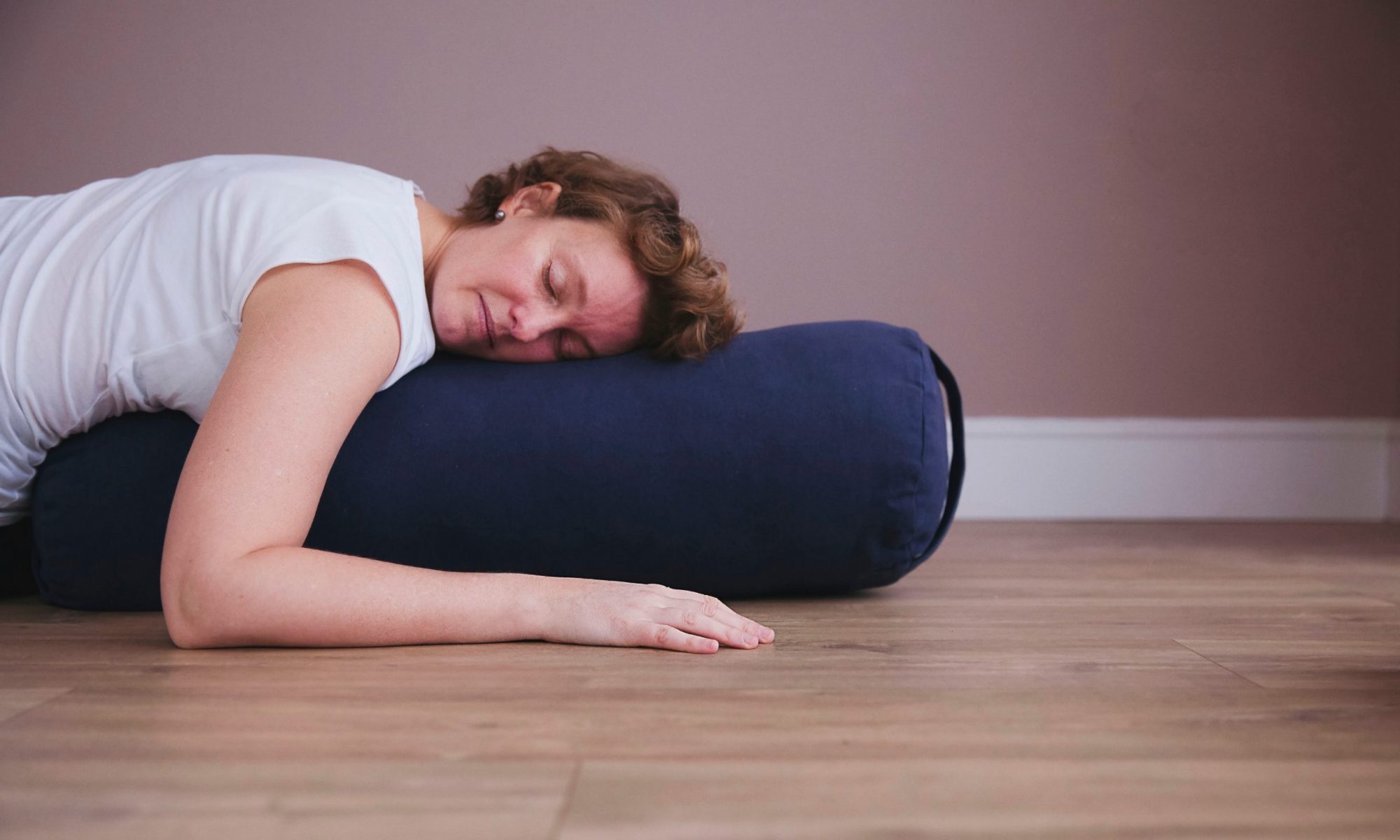
Yin yoga is wonderful. Of course, I’d say that as I teach it. It’s for those days when you want nothing more than to be still but you feel you ought to be doing some exercise. We spend the class sitting or lying in yoga poses and your body gets a good stretch. It’s also deeply relaxing.
It doesn’t matter if you’ve never been on a yoga mat before and I’ll give you lots of attention.
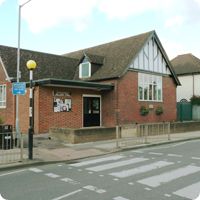
Sandridge Village Hall is on the main road running through the centre of the village. Come and yoga!
Why am I starting a yoga class at Sandridge Village Hall?
I don’t believe Sandridge Village Hall has a daytime yoga class. And it’s a lovely space. I’ve taught in a few local halls and when I saw this one, I was so happy with it. It’s got heaters for winter mornings, a wonderfully clean floor, and lots of free parking to the left of the hall.
Price of Sandridge Village Hall yoga class
It’s £10 per class. I’m also starting a special deal: £80 for 10 classes – for use in this class and the Monday morning Mead Hall gentle class in Wheathampstead.
When does the Sandridge yoga class start?
First class: Thursday 4 September, 9.30-10.30. See you there!
UPDATE: As of January 2015 this class is being held at All Saints Studios just up the road. Visit the class schedule page for details.
Last weekend I was at a party at a friend’s flat in Balham, South London. A few years ago it was the venue for a weekly class I taught to a group of blokey triathletes. You can read about that entertaining experience here.
Over a glass of wine I was chatting to a girl and it was revealed that I taught yoga. She said, “I’ve done yoga but I’m not very good at it.”
“I’m not very good”
Why do we do this to ourselves? Why do we put ourselves down? We judge ourselves against others and against ourselves. We tell ourselves that we should or could be better.
We compare ourselves to before we had that injury or health condition. We compare ourselves with the body we had 20 years ago. We compare ourselves against someone who’s been doing yoga for years or against someone whose background is as a gymnast or dancer.
So much of our lives are lived as a competition. How much can we do before we have to pick the kids up from school? What can we achieve today? Can we improve our 10k personal best? We’re always striving.
This is a picture of a netball trophy. It isn’t mine.
The joy of yoga
For me, the great thing about yoga is that it isn’t competitive. PE was never my forte at school. I hated netball. I got motion sickness on a trampoline. I’ve got a funny running style. I always got picked last for any team.
But with yoga, you just move your body in a way that feels good for you. And some days it feels ok, and on other days you feel like you’ve got the body of Dorothy’s buddy the Tin Man… and that’s ok.
You become aware of what’s going on inside. Emotions come up. Sensations come up. You simply witness that stuff and you accept it.
To hell with the competition.*
“The renowned seventh century Zen master Seng-tsan taught that true freedom is being “without anxiety about imperfection.” This means accepting our human existence and all of life as it is. Imperfection is not our personal problem – it is a natural part of existing.
We all get caught in wants and fears, we all act unconsciously, we all get diseased and deteriorate. When we relax about imperfection, we no longer lose our life moments in the pursuit of being different and in the fear of what is wrong.”
Tara Brach
* But if you beat me at Scrabble, I’ll never forgive you.
Off the back of what may have been Harpenden’s inaugural evening of Sanskrit chanting last weekend, I’d like to share my favourite chanting albums with you.
You’ve got no excuses now – you can get your Om on in the car, whilst doing the washing up, or on the 8:04 to London St Pancras. As with all the best hit parades, we’ll start in reverse order (click on the titles to buy/listen to the albums):
Amma, otherwise known as ‘the Hugging Mother’ loves to chant. I’ve chanted with her on her world tour when she’s visited Alexandra Palace in North London, and I’ve also been honoured to join her at her ashram in Kerala. In Kerala she had me in tears (read about my Amma experience).
Her chanting is proper traditional Indian yoga chanting and a proper slice of devotion (bhakti).
And now for something completely different… Featuring the music of American singer/yogi Wah Devi, she mixes traditional Sanskrit mantras with a bit of funk and dance.
Not at all traditional but rather good none the less.
I first heard of this group last year via the harmonium teacher Daniel Tucker and I really like this album. They’re not amazingly well known and you can download via their website by simply naming your price.
When they chant ‘Hari Bol’ I always think they’re saying ‘horrible’ over and over again.
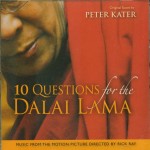
Ok, this isn’t strictly a kirtan (chanting) album. It’s the soundtrack for a film about His Holiness the Dalai Lama but it does feature Tibetan Buddhist chanting. It’s by multi-platinum selling Pianist/Composer/Producer Peter Kater, who has received six Grammy award nominations. He’s amazing. It’s amazing.
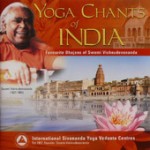
This album features snippets of audio sung by Swami Sivananda and Swami Vishnudevananda – the teachers who founded the school of yoga where I originally did my teacher training.
It also features modern takes on traditional chants, including one led by Swami Krishnadevananda who ran the Putney Sivananda Centre where I taught for a few years. He was about six foot five, from South Carolina and he rocked the harmonium. The version of Raghu Pati Raghava provides a chance to hear his voice.
If you’re interested in yoga music, it’s a given that you’ve heard of the lovely Deva. She’s sold around a million CDs internationally and visited London last month as part of a world tour.
I really don’t like this album cover but her version of the Gayatri Mantra is fab.
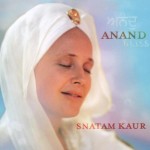
This is a chilled out yoga album. Think Goan beachfront café made of coconut palm fronds, sitting watching the sunset… and that’s where this album takes you. It’s Café del Mar meets yoga.
Snatam is slightly different to the other yogis included here. She chants in Gurmukhi – a language that’s Sanskrit based, but not pure Sanskrit – and she was brought up in the Sikh Kundalini yoga lineage as taught by Yogi Bhajan.
She has a wonderful voice and the name of this album – Anand – translates as ‘bliss’.
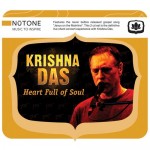
Called ‘the American chant master’ for good reason, Krishna Das is another kirtan stalwart.
The first time I saw him in London, I was blown away. It was at the Union Chapel on Upper Street and everyone really gave their hearts and a lot of soul.
This is my favourite kirtan album. It’s two CDs and contains over two hours of great chanting. Jai also gives an introduction to the practice and talks about what drew him to it.
His voice gives you energy and you’ll be joining in in no time…
So that’s my top 10. Have I missed your favourite out? Feel free to comment below as I’m always looking to expand my CD/iTunes collection…
Oh and we’re going to set another date for a Harpenden chanting evening. If you’d like to come and I don’t have your email address, email me.
This weekend David Garrigues will be teaching at BAYoga Studio in Berkhamsted, near London.
David Garrigues is the director of the Ashtanga Yoga School of Philadelphia. He is one of a few US teachers certified to teach Ashtanga Yoga by Sri K Pattabhi Jois. As an Ashtanga Ambassador he bases his teachings on the idea that ‘anyone can take practice’ – a core idea in the teachings of Sri K Pattabhi Jois.
We asked BAYoga students to submit questions for David and we spent an evening chatting on Skype. I asked him students’ questions and added a few of my own. Here are his answers. Enjoy…
Cathy’s question: How did you discover yoga?
DG: It was when I was 16 in my first job. I started washing dishes in a diner in Seattle. In these restaurants there’s always the eccentric dish washer guy who’s older and gone off the path of life and so they have to be a dish washer!
There was one of these fellas at the diner and he was into different stuff: anarchy, books, UFOs, philosophy and yoga.
He took me to this local park one day and we did the sun salutations. Immediately I loved it. I started doing it by myself and I’d only do it outside. It felt really elemental, to be outside saluting the sun. It felt right to me.
I lived in an apartment by the beach with my Mom and I’d go to the park near us and I’d do it every day at sunset.
I kept doing that for ten years before I actually got to a yoga class. And when I did finally get to one, it was because I was running a lot and I got real stiff.
I loved the class and it wasn’t long before the yoga replaced the running. I went to this class regularly in Seattle with a teacher called Marie Svoboda and it was in her studio that I got hold of a tape of Guruji (Sri K Pattabhi Jois) teaching ashtanga.
When I saw that, I was completely hooked. At around the same time, I saw in the Yoga Journal that he was coming to California on a tour and so I booked to go spend a month in Santa Monica taking led primary with him in 1993. I was 28 years old.
The experience was completely mind blowing. I followed him for two weeks to Maui, Hawaii, and then a year later I went to India to start my serious study with him in Mysore.
I ask: Who or what inspires you?
DG: Although he’s no longer alive, Guruji still inspires me. His voice, his person and what he taught me lives inside me and that totally inspires me.
David with Guruji
I’m inspired by anyone who is serious about their spiritual path. Yogis, BKS Iyengar, Peace Pilgrim and anyone who’s fully devoted to living the path.
Creative people inspire me – people who truly looks inside and find a way to express themselves.
It’s a funny thing but some of my past friends have really inspired me. The bassist in Guns and Roses – Duff McKagan – he was a good friend and his whole way of being is inspiring. He’s so positive and he’s made such a great life for himself.
There are so many people that just see the possibilities for life and go for it. They make it good for themselves and good for others.
There’s so many areas of need in the world – the environment, animals. Anyone who’s devoting themselves to those areas inspires me.
My students are also so inspirational. They’re so amazing. Their practice inspires me. Their whole life, how they manage to find time to practice and do everything else they have to do in their life.
Last but by no means least, my partner Joy inspires me. She’s more right in the front lines of inspiring me every single day. How hard she works and what she values and the connect we have, it’s so inspiring.
April‘s question: What do you think about when you practice?
DG: I try to remain absorbed in a few techniques so I try to eliminate all thinking. Or I limit my thinking to the ‘allies’ or the root techniques. These are pranayama (conscious breathing), vinyasa (positioning), bandhas (locks), drishti (gazing), and dhyana (meditation). I work to stay directly absorbed in these.
I also contemplate the greater context, the image of self and try to realise or have a wisdom about that. A contemplation of eternity, and beauty are really large. They form the background. That’s the ultimate experience that’s beyond thought.
David teaching in Berkhamsted last November (Photo: Joelle Elgy)
Jo‘s question: Does the ashtanga practice ever get easier?!
DG: Putting it in those terms kind of misses the point. The concept of ‘easy’ goes with ‘hard’ and those are opposing terms. In Sanskrit they’re called ‘dvandvas’. They’re opposite pairs.
Asana gives you the ability to not be harangued by opposites. It’s like, “So what! It’s hard or it’s easy” and that ceases to lead your thinking or where you’re orienting yourself from.
So that might seem like dodging the question because it’s a difficult place to be or taking a stand point from a high place but you need to contemplate those places – even when you’re not there because eventually you’ll be there.
If you’re in the mindset of ‘this’ versus ‘that’, then no, the practice does not get any easier! But it doesn’t matter because you’re on the path of transcending that whole way of thinking.
And of course the opposite of practicing is not practicing and then it’s even harder. You find that out fast by dropping your practice!
Jo’s question: How do you get through a home practice when your brain is saying go and drink coffee?!
DG: Well there’s a couple of things.
You might need to go drink coffee! You don’t want to be divided in yourself in terms of what’s important to you and how you want to be spending your time. You have to carefully observe that dividedness and resolve it.
Or put the coffee thoughts aside.
Or you can change things behaviourally. So for instance, I never feed my cats before noon. If I fed them at 7am, then I know that at 5.30am that would be when they’d start wanting food.
They’d be waking me up at 5.30am so instead I back it out. So it’s fine for me that at 10.30am they start bothering me for food.
So if you’re really thinking about coffee, then maybe you should wait longer to have it. So your practice will be done before you start wanting it. You’re anticipating that kind of thing.
If you’re used to drinking coffee at 9am and you start practicing at 8.30am, then that’s a problem. Maybe start drinking coffee at midday and make room for your practice.
Make it a habit to do your practice at the same time and clear out everything else so your mind doesn’t get distracted by wanting to go do something else.
Kev‘s question: What does going to study in Mysore give you that you can’t get from normal Mysore classes?
DG: Well, it gives you an experience of the roots of ashtanga yoga and the opportunity to be within the community that exists today. People are very serious about their study and that’s a nice environment to be in.
The feeling in the room, and Sharath and Saraswati are the direct line from Guruji and they’re carrying on the tradition. There’s a lot to benefit from having that experience and feeling that.
And the city of Mysore is amazing. Maybe it’s the best city in India in many ways. It’s beautiful and the experience of India itself.
The thing is, now that Guruji is no longer alive, the practice can tend to get more and more removed from that source. It can lose track of some continuity and the roots of the practice. Going to Mysore can help to personally give you the sense of those roots and connect you to the practice more.
It’s not essential though.
David teaching in Berko Town Hall last year (Photo: Joelle Elgy)
Martin‘s question: How can I work towards a stronger connection to mula bandha during my practice?
DG: The allies are important: pranayama (conscious breathing), vinyasa (positioning), bandhas (locks), drishti (gazing), and dhyana (meditation).
It’s all interconnected. So when you study breathing, it leads you to bandhas. When you study alignment along the central axis, again that leads you to bandhas. When you study the foundation of the asana, it brings you to mula bandha. Every technique contributes to that.
I see the practice as a labyrinth and mula bandha is further in the interior of that labyrinth. And so to start on the outside and start to talk about mula bandha is challenging. You got to walk through the labyrinth and work on the techniques and then mula bandha is easier to make sense of and work with.
One thing is to have a very dynamic centre. This area of the body has got to come alive. Your movement, your breathing, your awareness and consciousness emerges and returns to that centre.
And also that you consider the two words as mantra. ‘Mantra’ means mind instrument. Mantras are for japa (repeating) and so what is this ‘mula’?
Mula is foundation or first basis or root or earth and so contemplate what that actually means in terms of your physical body and your psychology. What is the root of my mind?
‘Bandha’ itself has many meanings and that’s why it’s used for japa because you have to think of it over and over with all its different meanings. It’s to shut, to lock, to close, to redirect.
It’s an energetic thing and it’s about shutting off the energy and redirecting it. It happens at the base, at the pelvic level. You have to contemplate what that actually means.
Olena‘s question: At what point into your ashtanga practice did you start pranayama (beyond ujjayi) and did you notice it having any effect on your asana practice?
I feel really strongly about this subject and that’s why I’ve produced a double DVD and book on pranayama.
The first DVD contains exercises for anyone. You can work on these exercises from the day you start practice. So you can begin a study of breathing right away that’s not within the practice. I would not do it instead of the asana practice but you can do it right away.
Disc two teaches the ashtanga pranayama sequence and there’s five pranayamas in that sequence. That I recommend waiting for. It’s variable, but I would say 3-5 years of practice before taking it up but it has an incredible effect on your practice.
Breathing is the link between the body and the mind, and the mind and the spirit. To learn to centralise yourself in your breath in the asanas kind of is the whole show. That is it. The breath is also known as ‘elusive’ as it’s so challenging to stay with it.
Pranayama allows you to see where your breathing fits. The breathing is actually meant to create the asana. You create the positions and so you notice a big difference when you separate and isolate the breathing.
When you learn the ashtanga pranayama sequence you add kumbhaka (retention) and that gives you a whole new experience of stopping the body and the breathing and noticing what happens in that interval, in the space when those things are no longer happening. It provides you with a whole lot of adventure.
Niki‘s question: How do you feel about the use of props? Should we cast them aside and find ways of adjusting the posture to our body’s limitations or do you feel they have a place in helping understand the asanas?
DG: Props are really important and valuable. There’s a whole art in the study and the use of props and so they’re used very thoughtfully and economically.
Sometimes they’re not necessary and they can cultivate a laziness. A certain vigilance is needed when you use them. I have a saying: props are like the dhow – the one begets the ten thousand things. One begets two, and two begets three.
So you use one prop and all of a sudden you need a second. And then that second leads to a third. And so you have to be very judicious in your use of props.
But on the other hand, to me, there’s a whole reorientation of thinking needed about what constitutes a posture or a final point of a position.
There’s so many factors that go into making a limitation. There’s injury, age, genetics, level of commitment, and asana skill.
So there’s so many variables but we tend to get fixed on one idea of what the asana should look like and then we cram our body into that shape no matter what. That is a dangerous and unyogic method.
So when you let go of that, when you work with the principles of alignment and open up to what the shape is trying to be or what you’re trying to express through it, then it will automatically bring in props at some point because they just fit in terms of bringing out the meditative quality, or aligning the body, or being able to breathe, or feeling a certain thing.
It’s important to remember that if we have injuries, we need to work with where we’re at. Binding, feeling like we have to drop back, grab our ankles – you know it skews in a harmful way and it leads to injury and a shortsighted way to see things.
Your practice is for life and if you include the possibility of props, you extend the life of your practice and that is in your interest.
I ask: How does the physical practice of yoga make you feel?
DG: I mean there’s nothing like it. Incredible! It’s incredibly hard work and discipline and a challenge but the feeling inside the body is unmatched. It’s a funny term but it’s bliss. It’s ananda.
But it takes a lot of suffering to get to that. But asana is everything. It gives you physical health, it clears your mind, it’s very subtle. You get a mastery over the body, the senses, the breathing. Like, wow!
It’s the most incredible set of techniques and it offers you total freedom for your whole life. I cannot imagine not doing asana. To me, that’s just pretty much unimaginable. Even though there’s so much sacrifice and renunciation and discipline that it asks for. It’s still unmatched.
I ask: What makes you happy?
DG: Practicing yoga makes me happy. Teaching yoga makes me happy. Joy makes me happy.
I’ve got three cats now and they all make me happy. We’ve got Bunny, Karmakazie and Lexster. It’ll be hard to leave them when we visit Europe.
Other things that make me happy: reading great books, seeing great movies and listening to great music.
Chatting to David and Bunny Gangster on Skype
I ask: This is the second time you’re visiting Berkhamsted. What do you like about the town?
Well, it’s a very cute English village. Just the feeling, the landscape, and the people. Everyone’s been very welcoming and eager to learn and enthusiastic. You guys have a good sense of humour and I like that.
And there’s a great host there: Cathy! She made us feel welcome at BAYoga Studio and she is an excellent person. She was eager to have me come and that helped! It feels like a good community to share yoga with.
David, Cathy and I at the November workshop last year.
I’m aware that I offer a slightly unique approach. There’s some traditional things but I emphasise some particular aspects. It’s not exactly ordinary and I felt that people were open to that and eager to learn from me. And that’s always exciting.
I ask: What do enjoy about visiting the UK?
Well, London for one thing! We’re looking forward to spending some time there. I think I’d like to answer that question in a few years as I think we’ll need a while to explore the place as much as we’d like to.
But I think the UK is an amazing place. There’s a lot of beauty, culture and history. In my experience, the ashtangis there are a good bunch of people.
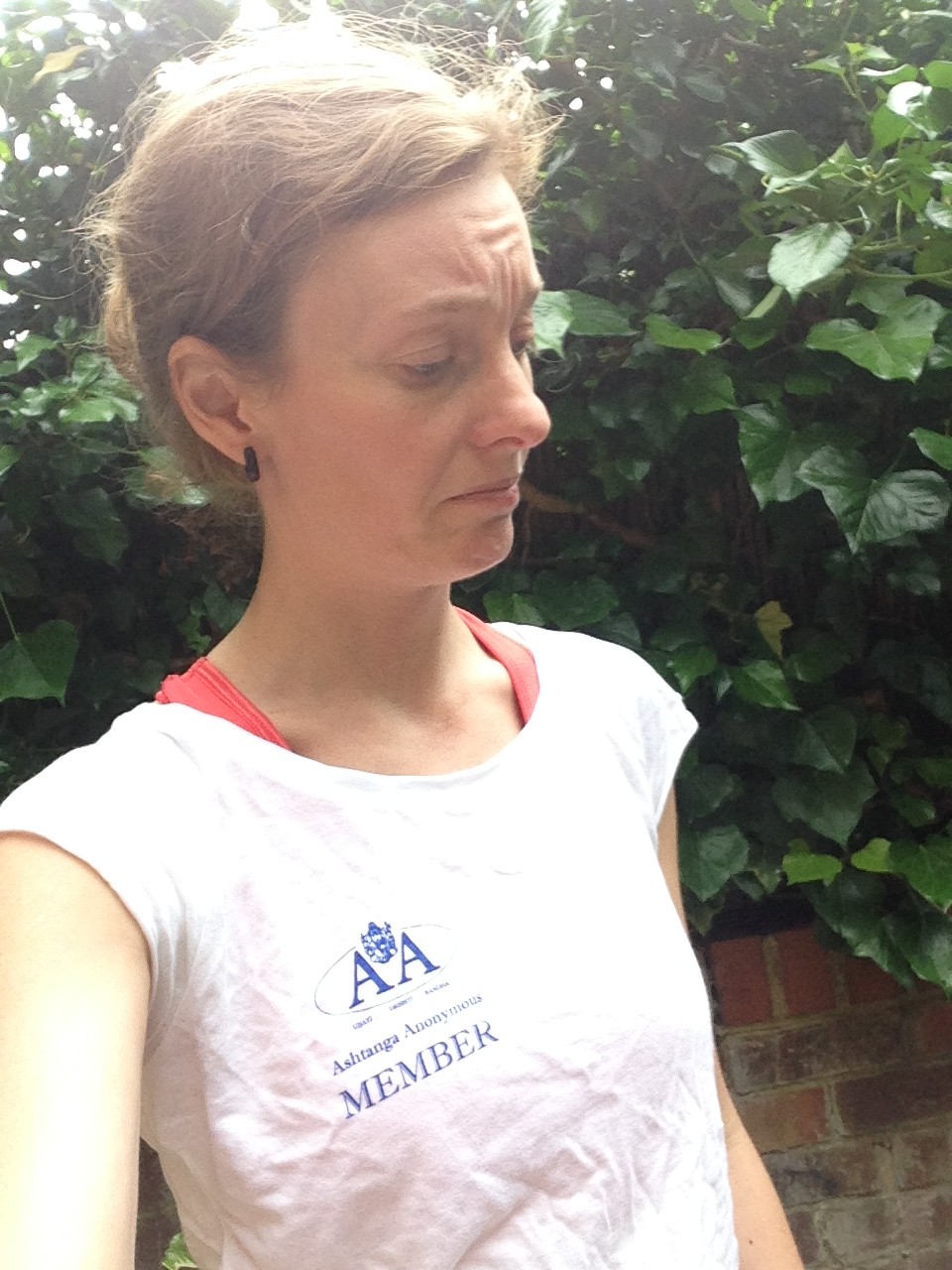
Introducing a new initiative: AA stands for Ashtanga Anonymous. It’s a support group.
Who is AA for?
It’s for people who have more than just a little penchant for Ashtanga yoga.
It’s all they think about.
They eat Ashtanga – but only a little before practice. The Marichyasanas on a full stomach? You only make that mistake once.
They sleep Ashtanga – savasana in pyjamas.
They breathe Ashtanga – well, ujjayi, mainly.
And they drink Ashtanga – two for one on Vita Coco water?! Get in.
AA is for people who, when faced with decisions such as a date with a potential suitor versus a date with a yoga mat, have been known to choose the latter.
It’s for those who’d swap cooking pasta for their husbands with making chapattis for Sharath Jois. It’s for people who would rather eat beans for a week than miss the Sweaty Betty sale.
How do I become a member of AA?
Membership is simple. You make a single payment of £22.
In return, you receive an organic bamboo tshirt and you can join the Facebook page and follow on Twitter.
For your initiation, you introduce yourself to fellow members by taking a photo of you wearing your tshirt and post it on the FB page or via Twitter.
Alongside your photo, you share three pieces of information:
1. Your name
2. How long you’ve had your obsession
3. The extent of your obsession i.e. just how bad have you got it?
Doing the pose in her wedding dress, Maureen didn’t look quite like this.
Eg. Hello, my name is Maureen. I have been an Ashtanga addict for five years and a yoga addict for ten. I was three hours late to my own wedding because I got stuck in garbha pindasana.*
Your fellow members will not judge you. They will provide support and guidance. Anything you say will be treated in the strictest confidence.
You will be welcomed with open arms. Our scapulas will be drawing together, our trapezius will be sliding down our back body and we’ll be feeling the stretch in our pectorals.
Welcome. You are home. Put the kettle on and make yourself a nice cup of yogi tea.
Join AA today!
Email Clare with the subject heading: ‘I need to join Ashtanga Anonymous’.
Please specify which tshirt size you require. They are currently available in womens small, medium and large.
If Clare does not see you at classes, she can send your tshirt to wherever you are – from Southwark to South Africa, and from St Louis to Sweden. Where addicts are, AA will follow… (postage and packing rates apply).
Hello. My name is Clare. I have been a yoga addict for approximately eight years and an ashtanga addict for two of these. I have been known to be elated when friends have cancelled social plans because then I’ve been able to go to yoga classes. I have also used my vouchers from teaching at Sweaty Betty on full priced items as I have lacked the patience to wait until the sale.
*Maureen is a fictitious example. Alternatively, you can just buy a tshirt and wear it with pride.
Last weekend marked the end of an era. I taught my last yin yoga class at Bermondsey Fayre and I am no longer teaching a weekly class in London. Instead, I will be focusing on classes in Hertfordshire.
I’ve had a long standing relationship with teaching yoga in Bermondsey near London Bridge. The first class I ever set up was at Bermondsey Village Hall in SE1.
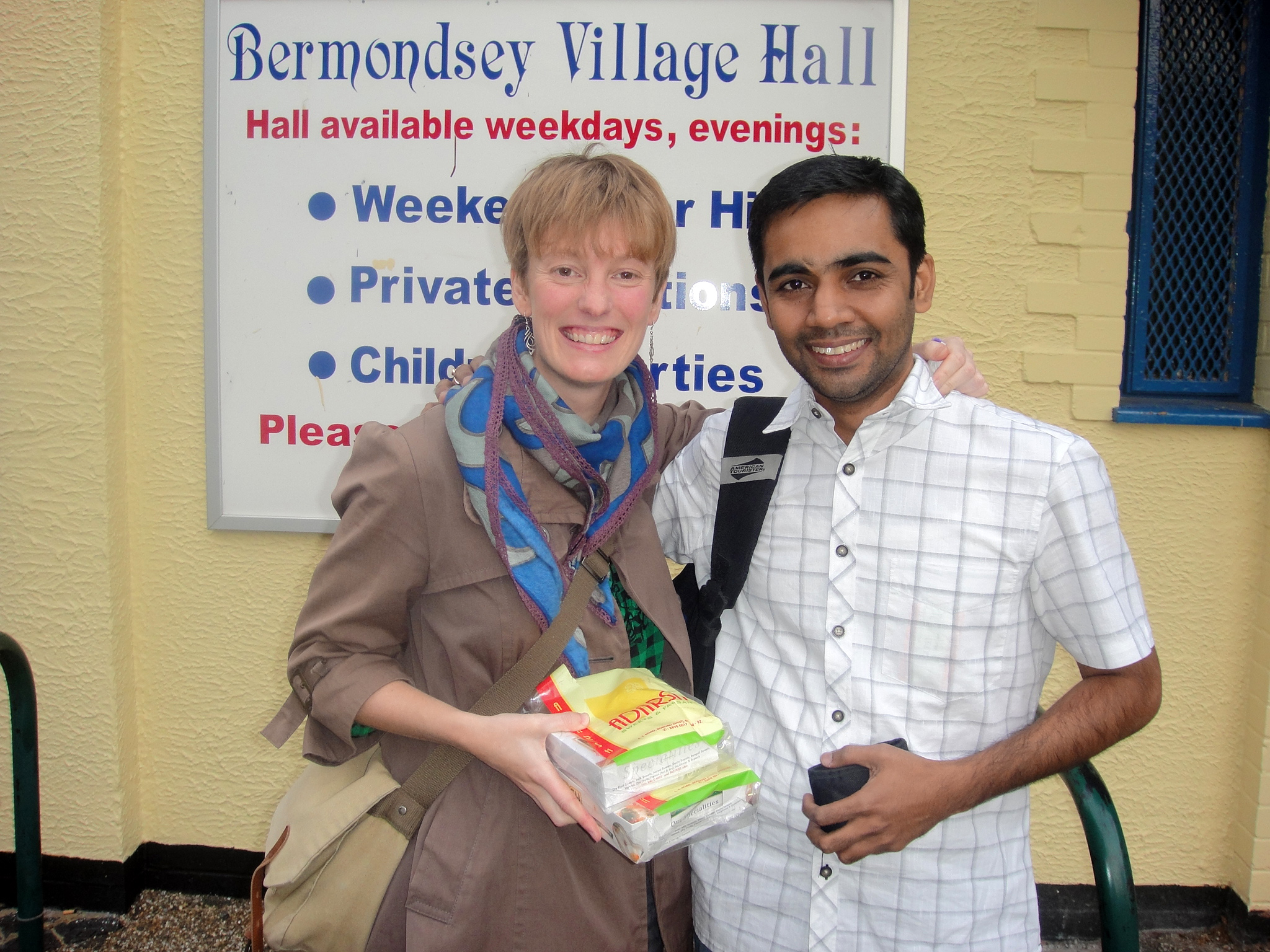
Sundeep and I outside Bermondsey Village Hall
Memories include my Mumbai friend Sundeep in London for work, joining us on a Thursday evening. He brought along Indian sweets for everyone.
This was also the place where I once – note ‘once’ – suggested that students should “flower their anuses” in down dog. A certain someone collapsed on her mat in hysterics and I think she’s still recovering.
Then I met Liz Dillon through various circuitous events and so began my relationship with Bermondsey Fayre – a little shop with a whole lotta love.
I’ve enjoyed my early Sunday morning commute into the city. The girl in the coffee shop on Harpenden station knows my order and I’m normally her first customer.
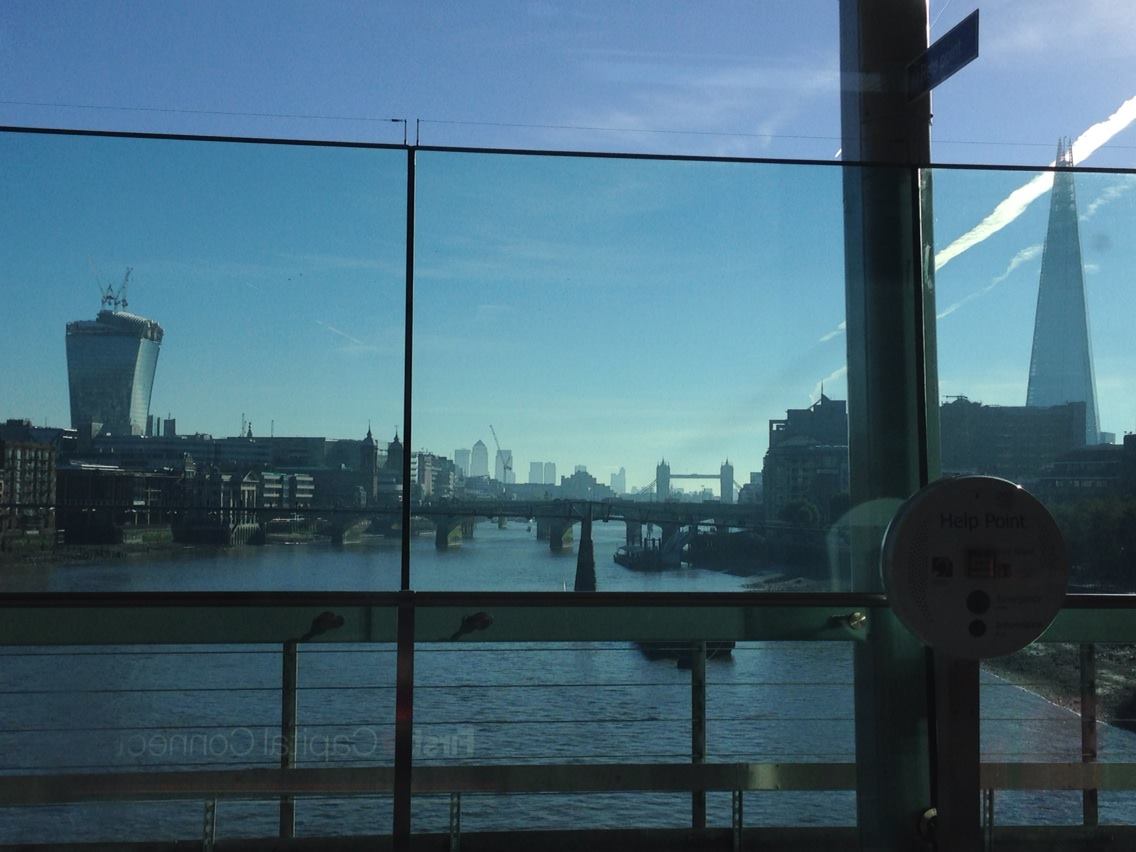
The Thames from Blackfriars station
Whilst the train sits at Blackfriars, I look over the Thames, the sleeping City, Tower Bridge and Tate Modern. The South Bank is empty except for keen runners.
I get off at London Bridge and try not to get knocked over by the wind tunnel caused by The Shard. I snake through the back streets of Bermondsey, taking in the old brick-built buildings now converted into luxurious flats and places named Tanner Street and Leathermarket Gardens harking back to its grubby industrial past.
I walk by the Manna Centre and an old man with a white beard turned yellow often sits in a doorway diligently making rollies. On a Sunday, Bermondsey Village Hall is being used by the local Filipino community praising the heavens with their tambourines. I bet there’s no flowering of anuses happening there then.
It’s in stark contrast to the trendy pubs on Bermondsey Street and the Bermondsey Coffee Shop – full of hipsters with beards (the men), partially shaven heads (the women) and posters of Philip Schofield, Roland Rat and Vanilla Ice… in, like, an ironically cool kind of way.
Bermondsey Fayre
My weekly classes at Bermondsey Fayre have been a delight. I love the yogis there. It’s a small space and we need heaters but everyone’s so friendly and there’s such a sense of community.
Teresa has a special place in my heart. We first met when we shared a room on a New Year yoga retreat in Somerset and she’s been coming to my Bermondsey Fayre class since the start. I’ll miss our chats in the park and coffees after class. She always has pearls of wisdom to impart.
Liz Dillon is the Bermondsey Fayre glue. I love Liz. She’s provided wise advice on my choice in men, guided me through my one and only ever experience of expressive movement and she’s just fab.
And so I’d just like to say thank you to everyone who’s ever been to one of my classes in Bermondsey. I have appreciated your presence and I hope you’ve got something out of it – even if no more than a serious attack of the giggles… I’m talking to you, Sandra Lynes.
I will still be teaching monthly yin workshops at Bermondsey Fayre. The first one will be Sunday 1 June, 10am – midday and is £25. If you would like to book, please email Liz. Bermondsey Fayre offers yoga classes throughout the week. Visit the website to find out more.
Just an everyday occurrence on Redbourn High Street – Simon Barnes runs The Hub. On Wednesday evenings he can be found on a yoga mat.
I’ve started teaching a yin yoga class for cyclists, runners and other athletes. At the first class there were nine people. Women were outnumbered two to one – a rare thing in the world of yoga! The majority were new to the practice. It felt great to be sharing yoga with so many newbies.
If you’re thinking about coming along – or you’d like to find a class near you – here are my reasons why yin yoga is great for cyclists and sports people.
I’m focusing on cyclists as the class is run with The Hub, a cyclists’ cafe in Redbourn, Herts, but it can equally apply to runners, swimmers and any other endurance athletes.
1. Injury prevention
A handful of athletes may get acute injuries – broken bones and such like – but most injuries are from overuse. It’s the repetitive nature of endurance sports.
Imbalances in your body can cause inflammation and excessive wear on tissue. A regular yoga practice brings your body back into symmetrical alignment and corrects flexibility and strength imbalances. You’ll be able to compete for longer. Take Ryan Giggs for example. He credits yoga for the longevity of his football career.
2. Stretching out
Most athletes know that having a stretch before and after exercise is good. If there’s a freer range of movement, your body can find the most efficient path and use the least energy.
Also, cycling long distances with the body fixed in one position takes its toll. Spines become rounded, shoulders hunch and the connective tissue around your hips tightens. Yin yoga counters these positions – offering backbends to open and lengthen your spine and improve posture. We’ll also work on postures to improve the flexibility in your hips and your lower back.
3. Yin vs yang
You may have heard of the terms ‘yin’ and ‘yang’. They come from Taoist thinking. Yang relates to movement, creating energy and heat in the body. Yin is about finding stillness, being calm and cooling the body.
You need both to come into balance and stay in optimum condition.
Cycling is yang activity but if you only ever focus on the yang, your body can suffer from fatigue and burn out. Yin yoga provides the balance.
4. The power of the breath
Your breath gives you energy and power to carry on and complete the race – even when you think you’re done in. Yoga teaches breathing techniques to allow you to inhale more and encourage more gaseous exchange in your lungs – sending more oxygen to your internal organs.
If you find yourself struggling to pedal up a never-ending hill with the wind in your face, focus on your breath. Time your breath with your pedal strokes and you’ll be up it in no time.
Doctor and triathlete John Hellemans recommends that the best breathing for top athletic performance is deep diaphragmatic breathing… Dr Hellemans also notes the importance of getting into a rhythmic flow with your breathing and synchronizing your breathing with your movement.
You can do that by taking a breath when you plant your foot during a stride or when pedalling on a cycle. Find a rhythm and speed of movement that allows you to work within the confines of your breath capacity so that you are not building up an oxygen deficit.
In yin yoga we aim to spend a minimum of five minutes in each pose (all are seated or lying down). This builds mental stamina. You breathe and you get through it – whether it’s the final minute in a yin pose or the final few miles of a race.
Of course, you can always ease off and make adjustments to your pose, but you become more aware of what’s going on inside and more in tune with your body. Surely that’s no bad thing for an athlete.
6. “I’m going to win!”
Endurance athletes like to win. It’s all about the competition – with each other and with yourself – trying to improve your personal best.
Yoga teaches you that there’s more to life than going faster or further. It’s not about looking around the room to see who’s struggling to touch their toes and whether you’re doing ‘better’ than them.
It’s about accepting where you are today – not comparing yourself to before you had that hip/knee replacement, or thinking about how fast you were ten years ago. Gushy and naff as it sounds, if we’re able to accept our bodies as they are today, we’ll be happier individuals.
So there’s my six reasons. If you’re in Hertfordshire, feel free to come along to the class on a Wednesday evening in Redbourn. You’ll be made to feel very welcome and you don’t need to be flexible in the slightest. In fact, the less bendy you are, the more you’ll fit in.
At the end of next month, my teaching buddy and friend April will be starting a new yoga class in Harpenden. It’s for parents and carers to do with their children. In this guest post, she tells us more about the class.
Big dog little dog
The Big Dog Little Dog Yoga class was born out of a request on Facebook. On the Harpenden parents’ group someone was asking whether they knew of any yoga classes they could do with their kids.
I did some Googling to see if there was already something like it out there but I couldn’t find anything. There’s lots of classes for mum and baby or toddler but not actually with your kids so I thought it would be fun to start something.
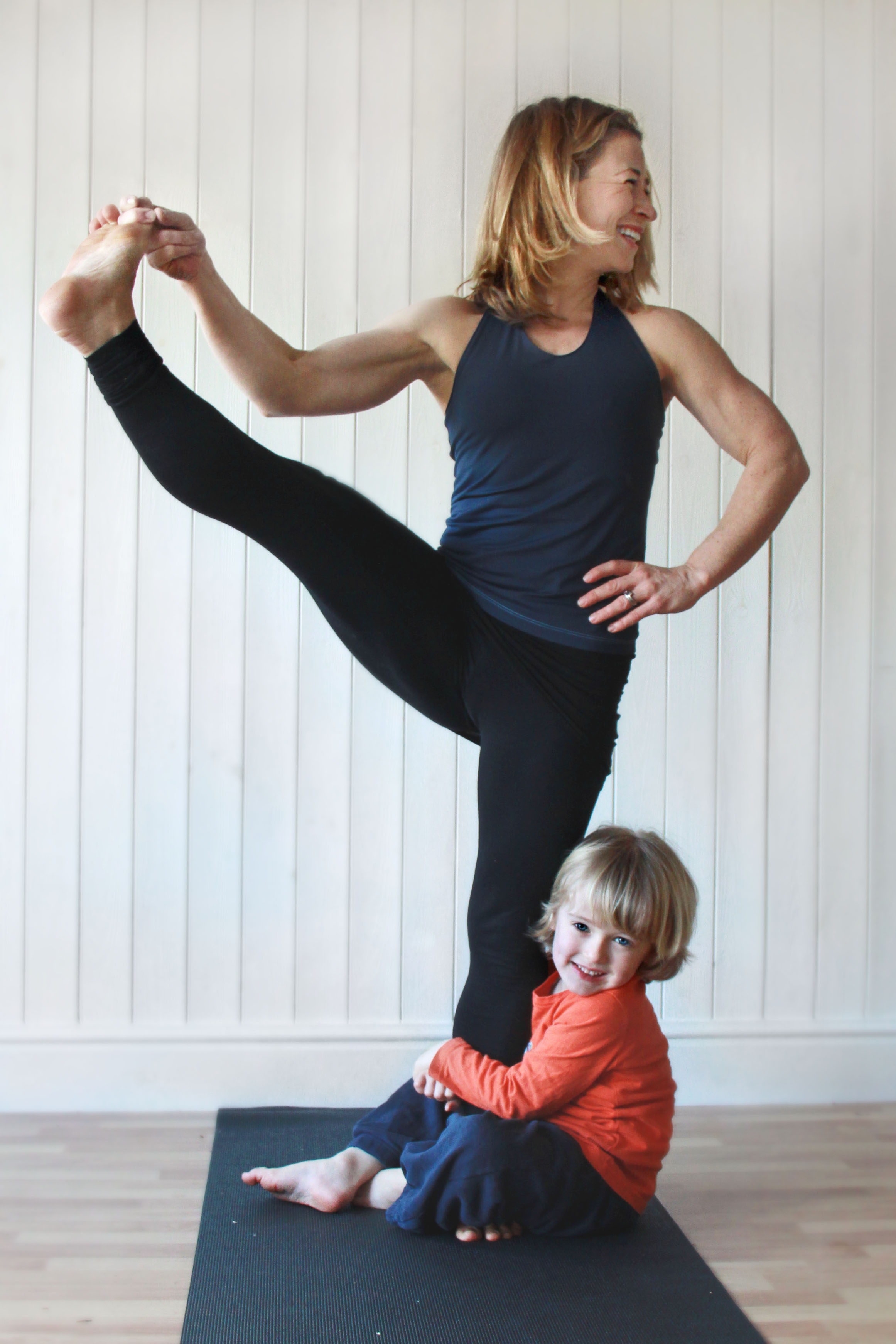
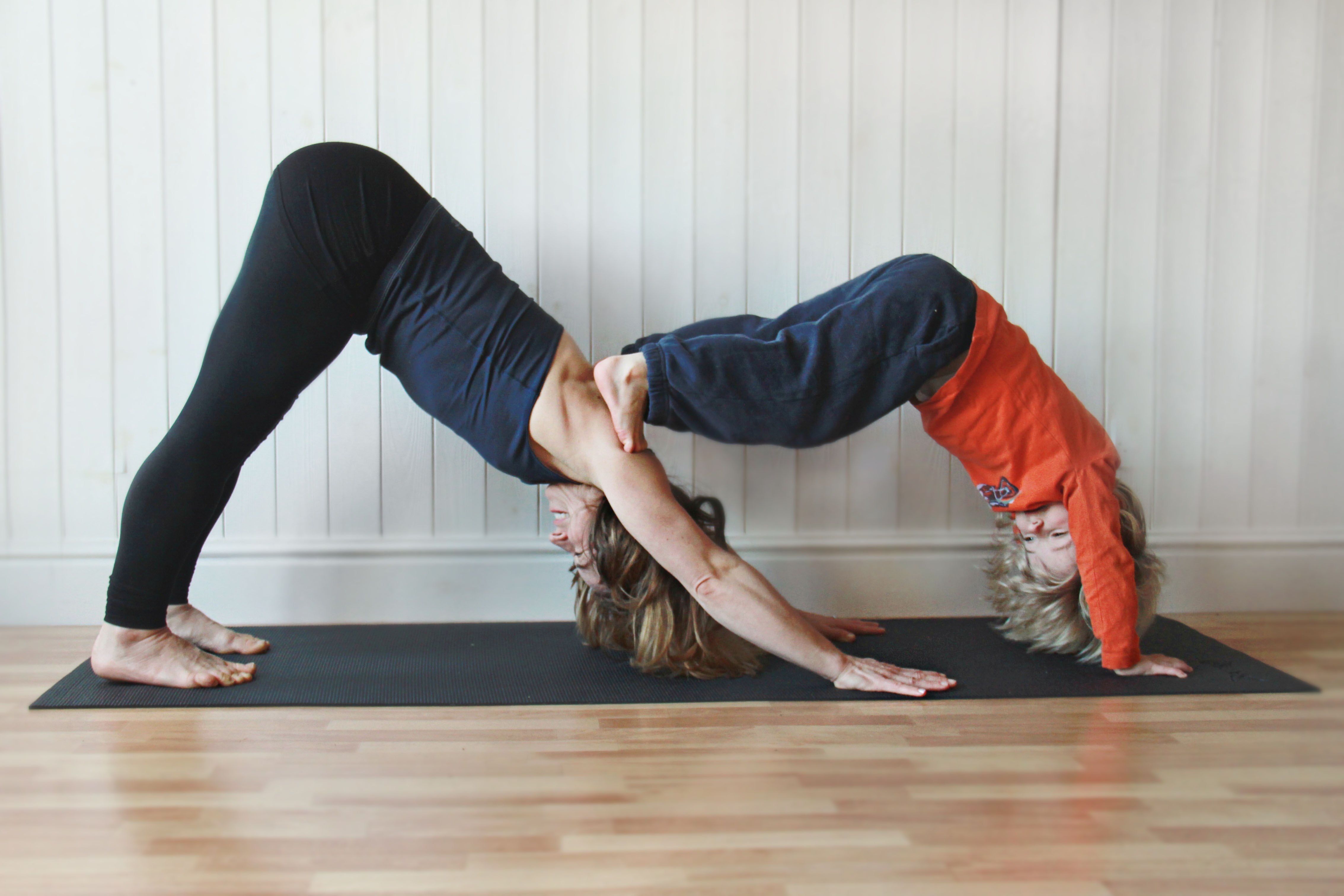
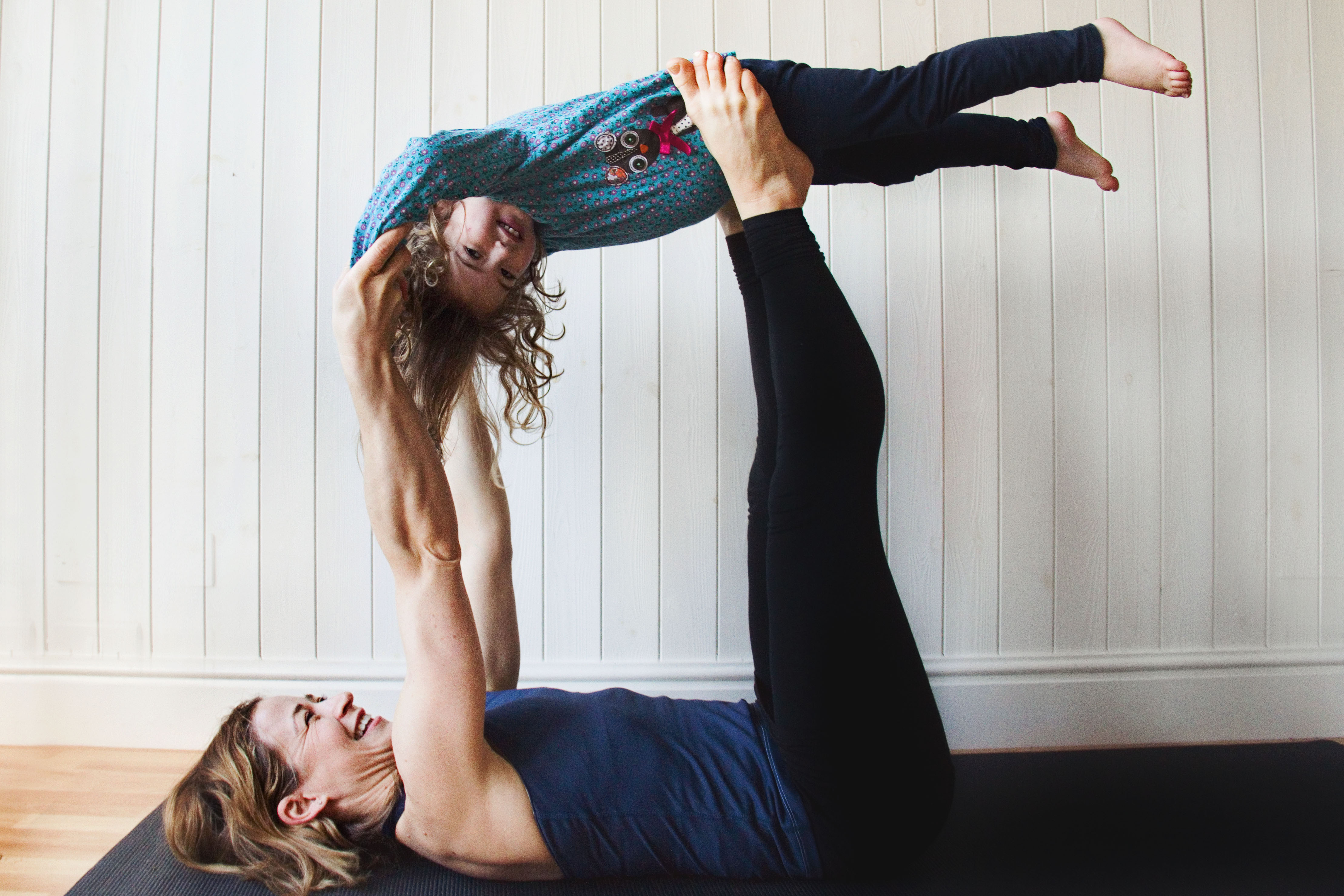
I know that I enjoy having Lincoln and Grace ‘help’ me in my practice at home so the new class format takes in some of that including physical partnering, breath work and relaxation. It’ll also include some experiential anatomy – this is a dance term and it’s when you learn where things are by feeling. You use touch and movement exploration.
It’ll be my son Lincoln’s yoga teaching debut – he’s 4 (start em’ young, I say…) and he will be demonstrating the postures with me. When we practice together I feel that it brings us closer physically and goes beyond normal cuddling.
It’s also purposeful because there’s a physical exchange. So in a twist, we must both rotate our bodies equally to get the benefits of the practice. Or he might need to back bend so I can forward bend. It’s the reciprocal nature of a partnering practice but you’re doing it with your child.
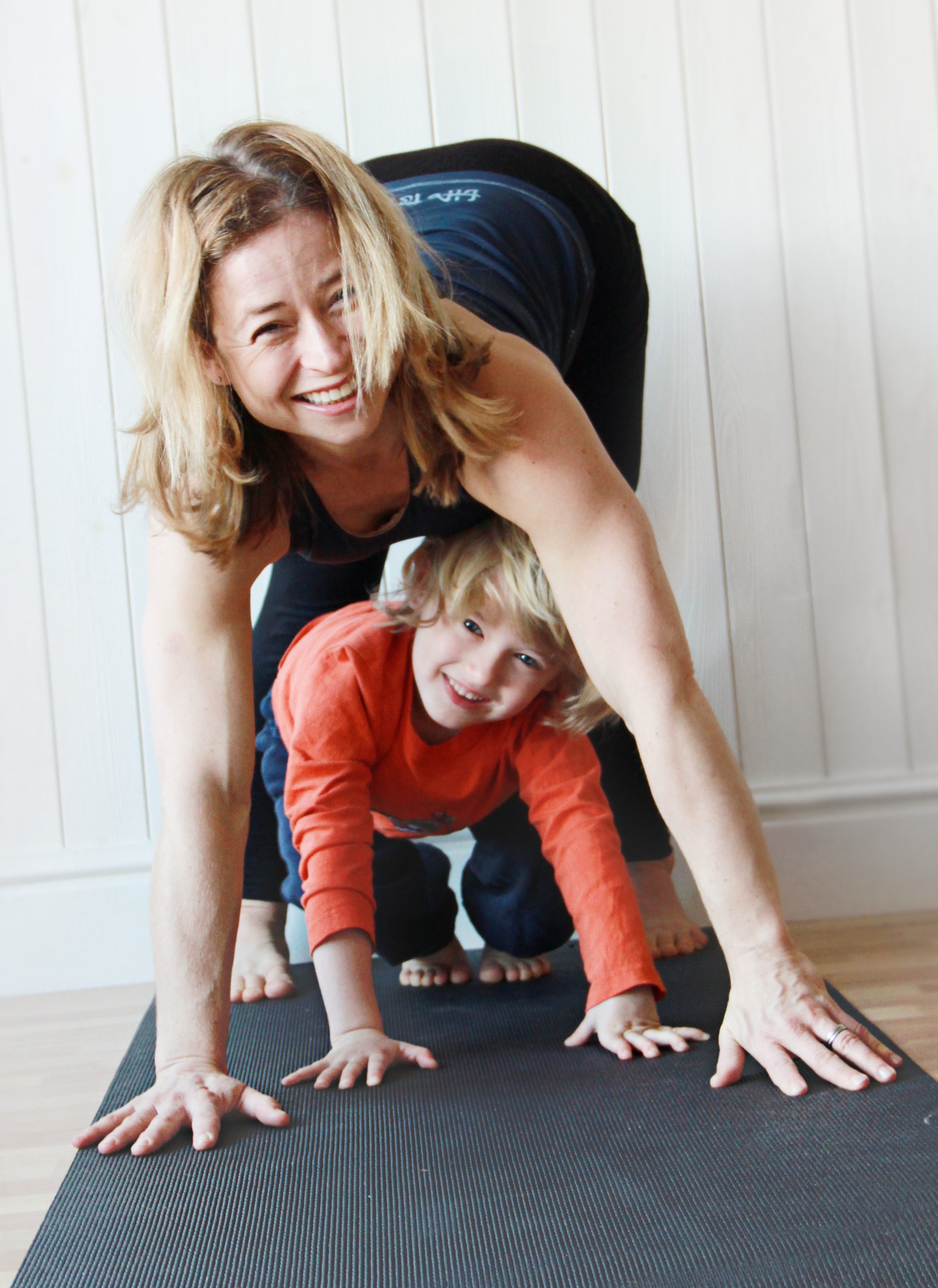
April and Lincoln twist
The class offers a chance for the relationship to be one of equality. You’re not just the bossy, nagging mum, dad, grandparent or carer. It also takes you out of the taxi service role of taking your kids to classes. You can do it together and both stay fit, flexible and healthy.
Lincoln was asked why he enjoyed doing yoga with mommy. He said, “it’s fun.” And you can’t argue with that.
Big Dog Little Dog Yoga for children (aged 4-11) and their parents/carers will start Sunday 27 April in the dance studio at Roundwood Park School (AL5 3AE). It will run term-time on Sunday mornings from 10.45-11.30 and costs £8.00 a class (per parent/child couple). For more information, visit April’s website (it’s a work in progress) or email her directly to book.
Cathy Haworth runs BAYoga Studio in Berkhamsted, Herts. She teaches Ashtanga vinyasa yoga and particularly enjoys teaching ‘Mysore’ style classes. I’m one of her Mysore students and I asked her a few questions about this style.
Cathy
CW: Where does the Mysore style of ashtanga yoga come from?
CH: Mysore is a town in Southern India where the founder of Ashtanga vinyasa yoga, Shri K Pattabhi Jois lived. Since his death in 2009 his grandson Sharath continues running the shala and each year thousands of ashtangis go to Mysore to practice with him. I’m planning on visiting for the first time this summer and I can’t wait.
CW: How would you describe Mysore style?
CH: Ashtanga yogais a dynamic style of yoga where movement is synchronised with the breath. There’s a set sequence of poses which are held for five breaths and you then move onto the next posture.
To practice ashtanga yoga ʻMysore styleʼis to practice the ashtanga sequence in a class situation but at your own pace. You follow your own individual length of breath, receiving guidance and adjustments from your teacher on a one to one basis. I, or whoever is teaching, don’t lead the class as such.
Learning the ashtanga sequence may at first appear a little daunting, but myself or your teacher is there to assist and we take it slowly.
As you learn and grow confident in each pose, you’re given new poses by your teacher, making this a very personal journey. Once learnt you have a practice for life.
CW: What’s so special about a Mysore practice?
CH: Moving with your own breath at your own pace enables you to work at your own level, extending the breath as it suits you. We all have different lengths of breath and this way of practicing enables you to be in charge of your own destiny.
Cathy’s supta kurmasana adjustment is to die for. Not like, as in she’ll kill you… well… not really. Not on purpose, anyway. I’m sure this person is still breathing. And that’s what counts.
It is a disciplined approach to yoga that allows for no opt out of poses because you find them challenging. You have to face up to every eventuality that the pose may bring.
Thereʼs no hiding, and by working with your own breath you can really connect to what may be happening both in the pose internally and externally. By bringing this discipline into your life enables you to be more focused and present not just on your yoga mat but in all aspects of your life.
It gives you the space to be you.
Whilst on your mat, working and moving with your breath, you are able to let go of the outside world and be in the present moment, allowing the real you to shine through.
Once off the mat we take on board the many outside influences that we have accumulated over the years and often act in a very different way to who we really are.
Being on the mat allows us to be true to ourselves and the more you practice, the more you are able to let go of this external ʻbaggageʻ and allow yourself the space and freedom of just being who you really are.
CW: You’ve mentioned before to me about the versatility that these classes offer. How is that?
CH: You don’t have to be on your mat at the very start of a class. You come when it suits you. If you get stuck in traffic, if you have to drop the kids off at school… that’s fine, no rush. The latest start time is one hour before the end of the class.
Classes vary in length from 2-3 hours at BAYoga Studio and if you’re a beginner you’ll need to allow approximately an hour to do your practice. Eventually, as you progress you will build on this to 1.5-2 hours.
One of the many joys of a Mysore practice is that it is very portable. I know that wherever I may be in the world, I’ll have the opportunity of going to a class knowing exactly what to expect from an ashtanga Mysore style class. Get on your mat in Paris, Sydney, New York or India and you know that you will be just fine regardless!
CW: Thank you Cathy.
Cathy teaches Mysore style classes at various times throughout the week. Find out more by visiting bayogastudio.co.uk. On a Tuesday morning she teaches a Mysore style class from 9.15-11.15am and then I teach a yin yoga class from 11.30-1pm at BAYoga Studio. Come along to both classes for only £16. It’s a bargainous morning of yin and yang.
Cathy and I will be teaching an ashtanga/yin retreat together 3-5 October 2014. Visit the retreats page for more details.
Do you practice Mysore style Ashtanga? What do you enjoy about it? Feel free to comment below.
Read my previous teacher interviews with:
Norman Blair, my yin teacher April Nunes Tucker, my local yogi partner in crime Lila Conway, who taught me how to teach Sivananda yoga on my first teacher training.