
My Mum’s thoughts on India

Two weeks ago my Mum and Dad (Simon) arrived in Fort Cochin, Kerala. It’s my Mum’s first trip to India but my Dad has been a couple of times before.
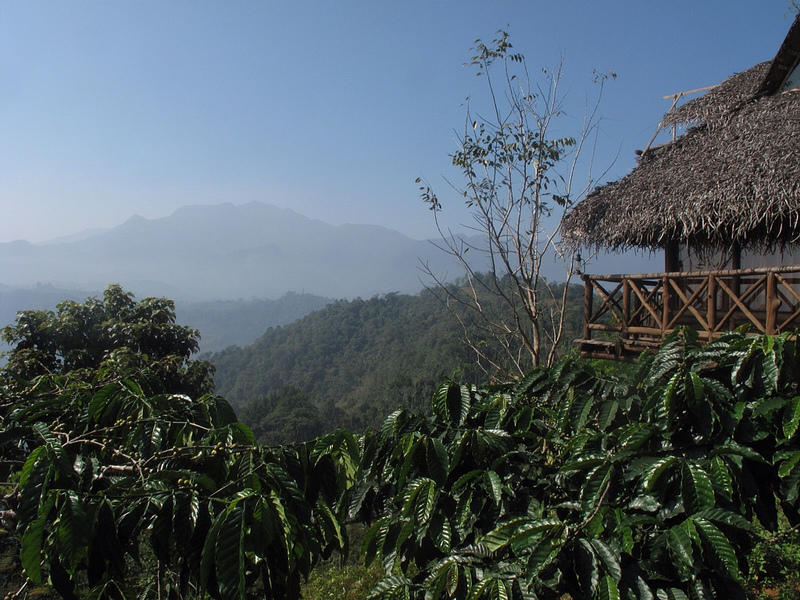
View in Wayanad
View from our tree hut at the homestay in Wayanad

We’ve spent time travelling by train and taxi around northern Kerala. From Cochin we went to a homestay in Wayanad and visited Muthanga National Park where we saw wild elephants; we stayed on a houseboat on the deserted northern backwaters near Bekal; and visited a homestay on an empty beach in Kannur. We’re now back in Cochin and they fly home tomorrow.

I asked my Mum a few questions about our trip and these are her answers.

As the most different place you have been, how did you feel about coming to India?

I felt very apprehensive. Bearing in mind I don’t like curry, mosquitoes love me and I’m not good in the heat, I knew it was going to be a challenge. The only reason I really wanted to come was to see you.

You arrived into Cochin very early in the morning. What were you first impressions of the country?

It wasn’t as chaotic as I’d expected. My husband Simon had talked about the madness of Delhi but Cochin felt very civilised. We got a taxi from the airport at 4am and everyone seemed to be up and about already.

I was surprised by how busy the road was. There was manic overtaking which scared the living daylights out of me, accompanied by a constant hand on the horn. There were no pavements, the driver swerved from side to side to avoid potholes, dust was everywhere and I was staggered by how much litter was at the sides of the road.

But for all that, Fort Cochin had a magical atmosphere and reminded me of Sinbad the Sailor stories from when I was a little girl. We stayed at a lovely place opposite the Chinese fishing nets and I was relieved that the fishy smell didn’t pervade the hotel. I have certainly inhaled a lot of interesting smells over the past two weeks.

What’s been the best thing about this trip?

Seeing you! Also, the fact that both you and Simon have been to India and you’ve talked about it a lot. I can now understand why. I don’t really know what it is, but there’s definitely a magic to the place – the people, their smiles, their friendliness and generosity; and the beauty of the countryside. From walking along the beach of the Arabian Sea to the wild mountains of Wayanad. It’s been fantastic and I look forward to returning.
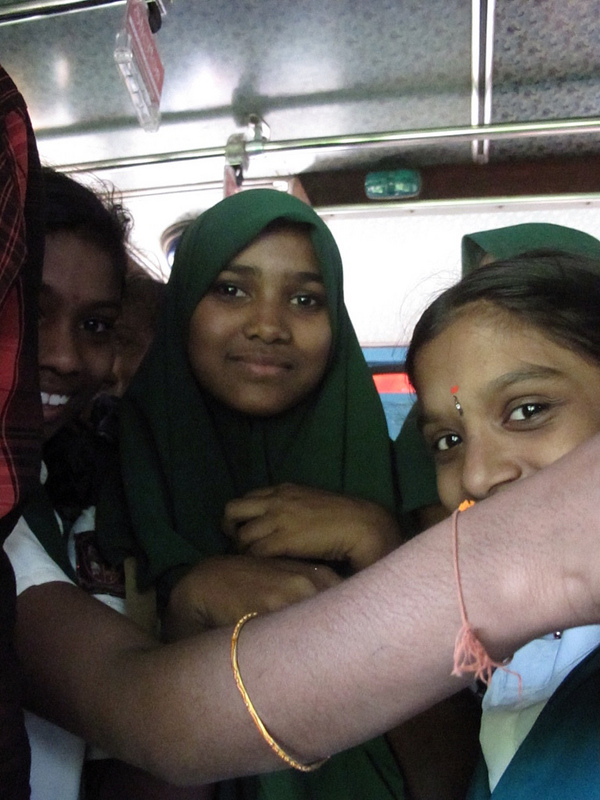
Smiley school children

What memories will you take home?

My strongest memory will always be the friendliness of the people – so many groups of children approaching us wanting to shake our hands, ask our names, find out where we’re from and take our photos. Sometimes they’ve never seen Western people before and approached us shyly. At other times we’ve been bombarded and overwhelmed with cameras in our faces. This happened when a school teacher asked us to meet his students on a school bus in Wayanad.

It’s been such an insight to meet the owners of the homestays. They’ve opened their homes to us and we’ve been made to feel so welcome. They’ve sat with us at dinner and we’ve had the opportunity to discuss anything and everything about our countries – from Hijras to the UK’s austerity cuts, and from John the Baptist to the Hindu god Shiva.

What do you think of the food?

I’ve eaten all the food but it’s been rather spicy. I’m also very grateful for advice from a friend to bring some shortbread biscuits. I brought three packets and we’ve done the lot! I can’t wait to have a roast dinner and some fish and chips when I get home.

We’ve used a lot of different types of transport over the past two weeks. Do you have a favourite?

Auto-rickshaws without a doubt! They’re such good fun. Whizzing around the streets, avoiding potholes, buses, cows, goats and people.
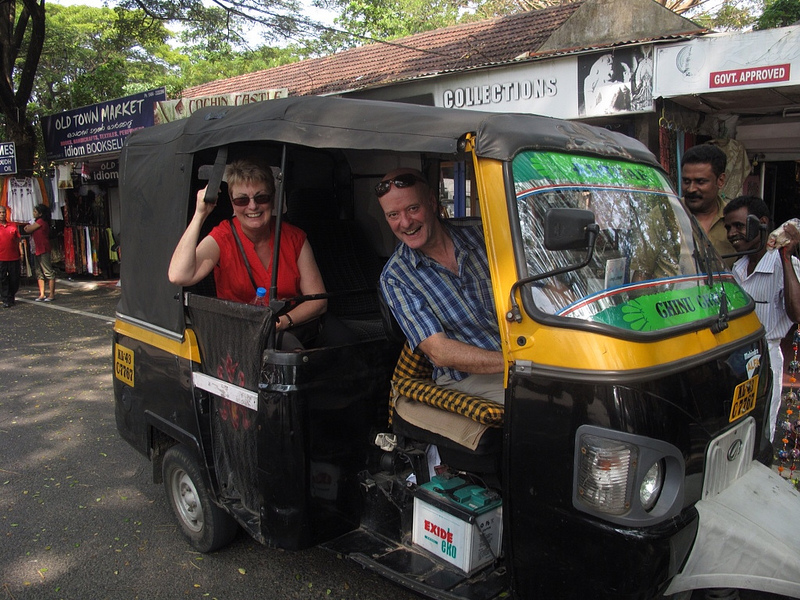
Dad driving an auto-rickshaw
Dad finds his true calling in life

Riding on the back of a elephant would have to come very close though.
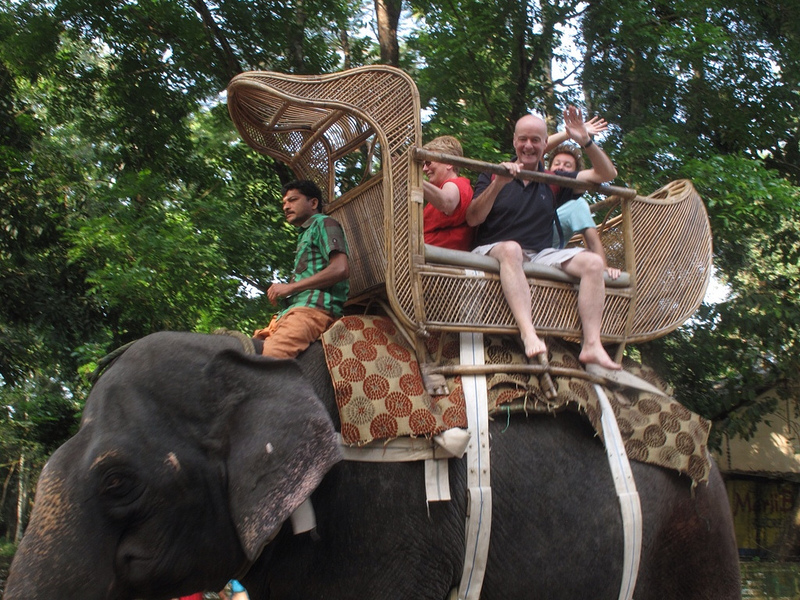
Us on an elephantIf you could change India in any way, what would you change?

Most definitely the poverty. I found it hard to see people living under sheets of tarpaulin. Also the dirt and rubbish everywhere. As a local litter picker at home in our village, that was difficult to handle.

We walked into Kannur station this morning and there was a little tot of two or three asleep on the floor in the busy ticket area. Mum was nowhere to be seen and she looked dirty. Commuters formed long queues and she was huddled at the back draped over a bag. It would have been so easy to step on her and it made me want to cry.

And has this trip changed you in any way?

Yes, most definitely. Previous to this holiday I had been to the US and Europe. The furthest east I’d been was to Egypt and Israel. But now I feel prepared to venture further afield. I’d like to visit China, Thailand and other parts of India.

And finally… what four words would you use to describe your time in Kerala?

Assault on the senses! The sights, the sounds, certainly the smells, the tastes.

Thanks Mum and Dad for coming out to see me. It’s been fun and very memorable. See you in London in three weeks!
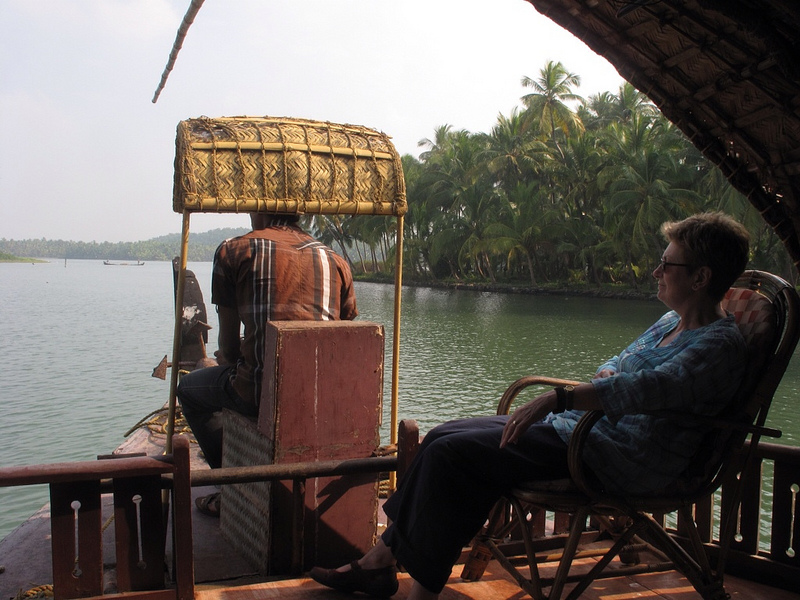
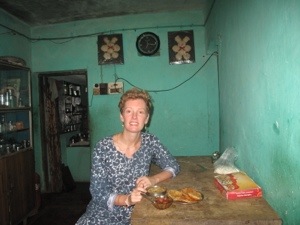
Mum on our houseboat

Goa: A musical note

I write this sitting in the departure lounge of Goa’s airport waiting for my flight to Cochin. I arrived here after travelling for an hour and a half on the back of a motorbike. My main concern during the journey was not getting sunstroke. It cost £6 and if I’d taken the bus it would have been about £1. I’m such a big spender.

The driver had my rucksack perched between the handle bars, over the petrol tank and nestled between his thighs. I had my smaller bag on my back and sitting across my thighs was… wait for it… my newest purchase… a small harmonium called a dulcetina! Or actually, this one’s called ‘Don’ but that’s another story.*

My friend Radasi (see previous post) was selling hers and so I decided to buy it. How very exciting. Now when I return to see Babaji (a previous post includes a photo of him), I can show him how much I’ve improved.

My Diwali dinner with Babaji’s family was memorable, as were his son Shriniwas’ final words of “Do not forget us”. Whilst I said my farewells, Babaji played a bhajan (chant) on his harmonium to send me on my way. Anyone who knows me will be unsurprised to hear that I struggled to hold back the tears. They have suggested that I return next year with my parents and stay with them.

Diwali dinner
Diwali dinner
Two of Babaji's grandchildren, Priya and Pradnya
Two of Babaji’s grandchildren, Priya and Pradnya
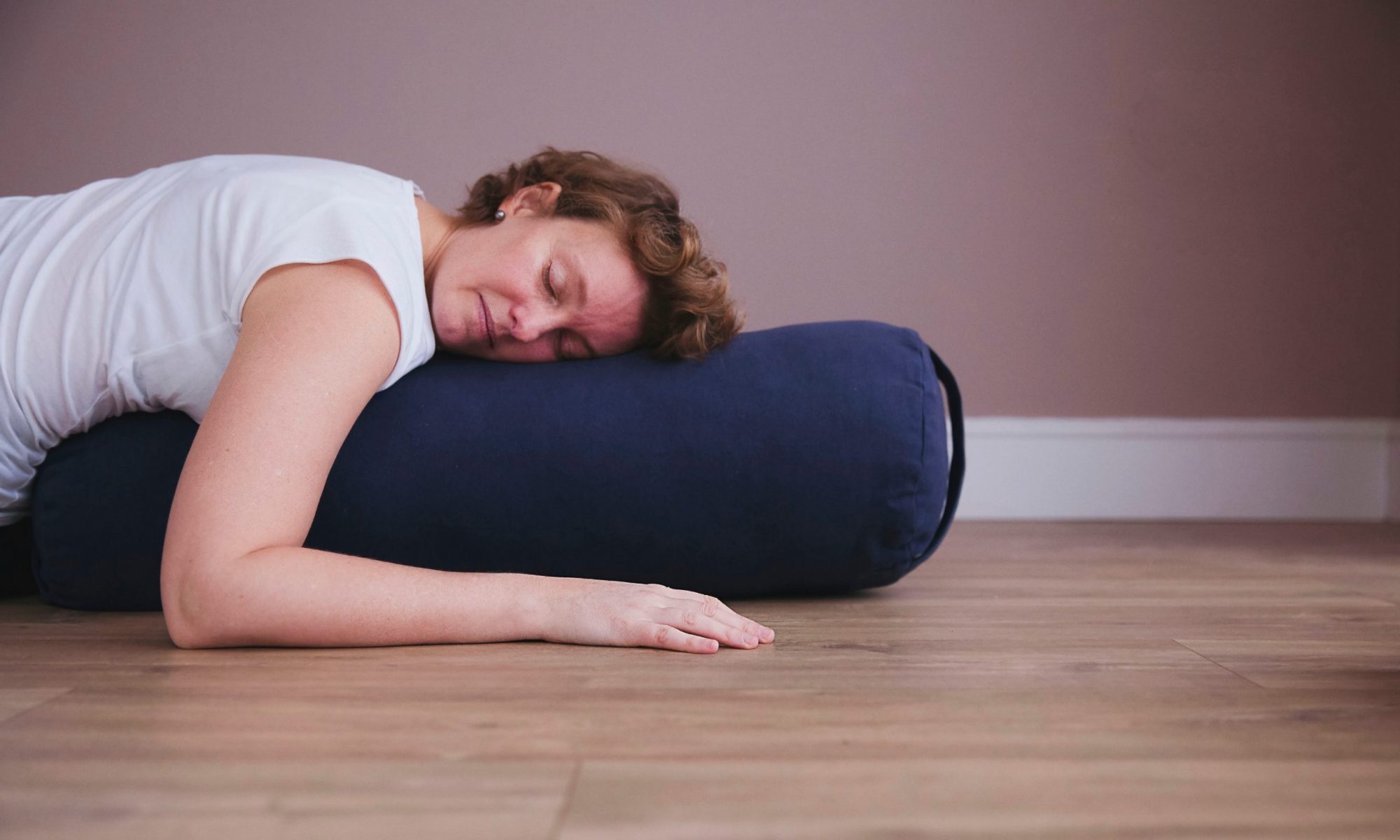
Halasana over a chair taken from yoganga.com. We did it with a bench but you get the picture.

I am also happy to have completed two weeks at the Himalayan Iyengar Yoga Centre and my tadasana (simple standing pose) will never be the same again.

Our teacher Leo was brilliant and on the last day of each week, he’d give us a musical treat. He’d get us all into halasana/plough over benches and play his flying saucer-shaped ‘hang drum’.

I’d never heard one before and we couldn’t see what he was doing. Was it a drum? Was it a string instrument? Don’t question it! Just relax and focus on your breath! Anyway, week two I was prepared with my camera and this is 15 minutes of bliss:


I’m sad to leave Goa but tomorrow I’ll see my parents in Cochin and I can’t wait.

* Radasi sometimes gets words wrong and when she first bought the harmonium, she thought her music teacher said it was a ‘donsetina’ hence calling it Don. She said that I was welcome to change its name but I don’t want to give poor old Don an identity crisis.

Arambol living

I’ve now been in Arambol for almost two weeks and I must say I’m really enjoying it. Friends at home said that I should avoid Arambol (“rat infested” was how one buddy described it but I’m yet to see the evidence). They suggested I head further south to quieter Palolem and Patnem but I came here specifically to do the Himalayan Iyengar Yoga Course.

Local faces
People here are friendly. It probably helps that loads of us doing the course are staying at the same place. We’re always bumping into each other – on the beach, in restaurants – and it’s nice. I’m beginning to recognise many familiar faces and a lot of the long-stayers are living at this end of the beach as it’s more relaxed than up near the cliff.

Having my breakfast in a hastily thrown together bamboo beach restaurant this morning, I bumped into Zuzu. I first met him a few days ago at a bonfire night party. He’s in his fifties, Dutch and this is his ninth winter here. He’s an interesting character. With ginger Afro hair and a beaming smile, he told me that he works in ‘musical theatre’. This means he invents crazy acts to take to music festivals. He proudly told me about his latest act in which a small carriage is made to look like a UFO. It plays Japanese electro music whilst he and a couple of friends are painted green and “dance like aliens”. His words, not mine.

He organises a carnival event on the beach every February and last year it didn’t go according to plan. Some girls were dancing topless and a photo somehow made it onto the front page of a Goan newspaper with a headline suggesting debauchery. I bet that edition sold a lot of copies. Zuzu told me how the police tried to prosecute him for organising a pornographic event. Not unsurprisingly he had to lay low for a while after that.

There’s also Radasi, a Bolton lass who I met at an ashtanga class when I first arrived. She talks about “letting the universe decide” and calls people “love” with a husky voice that perhaps can only be found in Bolton. She teaches yoga at a centre on Koh Phang An in Thailand and we know some of the same people from The Sanctuary. She’s preparing to go on a pilgrimage with her Indian guru and is a good giggle.

“Mamma Mia” it’s Leo the Iyengar teacher
Our five-day course for ‘continuing students’ started today. Whilst I was disappointed that we haven’t got Sharat, the guy that set up the centre, Italian/Argentine Leo who is one of his students, is doing a fine job. Putting us down at every opportunity, attempting to break our ego and make us more humble, it’s an authentic Iyengar experience.

Every class he’s exclaiming “Mamma Mia!” – shocked at our inability to remember a detail or stretch adequately. I’d heard that Sharat was the same. A friend of mine said that he’d once told a woman in class that she was too fat to do a pose.

I’m learning lots about alignment and that every small adjustment in the body counts. He’s making me focus on my turned-out feet and had us doing urdva dhanurasana with a belt around our thighs. That was two days ago and I’m still aching.

20121110-154634.jpg Urdva dhanurasana (from Yoga Journal)

My harmonium efforts
And my lessons are continuing (read a previous post about my lessons). After accidentally showing the entire family a photo of some naked bottoms from my yoga training course in Thailand, I thought I’d blown it – living up to the stereotype from the front of that Goan newspaper. But either they didn’t realise what they were seeing on my iPad before I rapidly flicked to the next picture whilst inwardly dying a thousand deaths, or they were willing to forgive me.

This is a family who approvingly said that I dress well because I cover my shoulders and I always wear knee-length trousers. And then I give them naked bottoms. Shock. Horror. And no, I am not sharing the picture on here.

I’ll share a clip of Babaji playing when the connection’s good enough to upload it.

In less than a week’s time my parents land in Kerala. I can’t wait!

My adopted Indian family (aka I learn the harmonium)

A few days ago, I’d anticipated that my next blog post was going to be about how I’m learning to play the harmonium. You know, covering the trials and tribulations and that sort of thing, but actually the story must be about how I’ve been adopted by an Indian family. And it’s wonderful.

I’m in Arambol – a proper old-school hippy hangout in Goa. There are a surprisingly large number of Europeans in their fifties and sixties with long hair, tattoos and substantial moustaches. And that’s just the women…

Arambol’s just starting up for the winter season so it’s really quiet. There’s vast swathes of empty beach and it’s beautiful. Many of the beach huts and restaurants are still in construction and there’s a new yoga class starting up every day. I’ve come here for the five-day course at the Himalayan Iyengar Yoga Centre. Today I had my first class and I’ll tell you more about that some other time.

In the meantime: the harmonium and my adoption. I have been wanting to learn the harmonium for a while. It’s an Indian instrument used to accompany the chanting of bhajans (Sanskrit chants). I like chanting so I thought would be nice to be able to play. I asked a guy who worked on a musical instrument stall if he knew of anywhere I could learn. Later that day I was walking with him to Arambol Market where locals live, slightly inland of the main tourist area. Here there’s guys sitting in chai shops, old women squatting at the side of the road selling piles of fresh fish in washing up bowls. Men sell bananas and cows rummage in grassy verges.

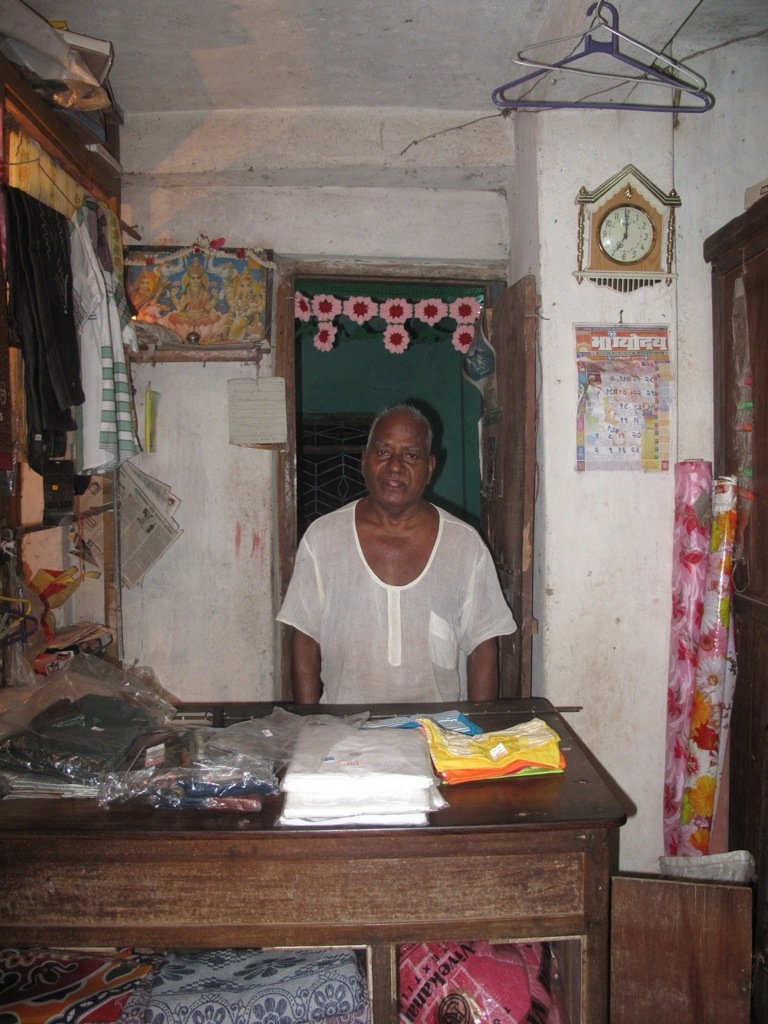
Sharma led me into a tiny shop with a glass counter. The counter contained a haphazard collection of shirts wrapped in plastic. They must have been from the 1970’s. Sharma started speaking in Hindi to an elderly man standing behind the counter. He was shorter than me with grey hair sprouting from his head. He wore a white threadbare grandad shirt that had a hole in one shoulder. He looked grumpy and shuffled about in pyjama trousers that threatened to fall down at any moment. Yes, this was to be my teacher.

20121116-142759.jpgBabaji

Sharma was deep in conversation and referred to him as ‘Baba’ meaning ‘father’ as a sign of respect. I decided to add ‘ji’ on the end as a further sign of respect (Babaji). I got the impression that Babaji wasn’t interested in teaching me. His face remained stern, his brow furrowed. He barely looked at me. I was therefore surprised to hear that he was happy to have me as a student.

We agreed on 5pm everyday and Sharma reiterated how Babaji was a great harmonium/tabla/sitar teacher.

The next day I learnt that the only words Babaji knows in English are “good”, “again” and “more fast”. He’s taught me the Indian version of the do re mi scales (sa, re, ga, ma, pa, de, ni, sa) and we’ve even started on some bhajans. He began with a simple Hare Krishna, Hare Rama and then last night with the help of a piano keyboard app on my iPad, I worked out the tune for Krishna Govinda – one of my favourites. Perhaps I shouldn’t have shown him my findings as today he had me on Raghupati Ragava Raja Ram which was tough.

This video off YouTube gives you an idea of what I’m talking about. I might even get a clip of Babaji before I leave.

We sit on a bench in the living room. The room is quite bare with a ceiling fan and a cabinet containing metal plates and cups and a staggering array of plastic fruit. Next door we hear his daughter and daughter-in-law teaching about 40 children in the small room. The children giggle and peer round the door and get told off. It must be funny to hear this Western girl singing Sanskrit mantras during their after-school club.

Sharma popped by yesterday to see how I was getting on. I will have to say thank you to him in some way.

While I huff and puff working the squeezebox, Babaji’s grandchildren watch TV on the set in the corner and absentmindedly sing along to the bhajans, swinging their feet under the seat. Pradnya is 13 and translates for us, smiling and encouraging me when I hit a wrong note. She smiles a lot.

I am wary of outstaying my welcome but today Babaji’s son and son-in-law came home to find me sitting having a cup of chai and a rich tea biscuit with their children, wives and mother/mother-in-law. They asked me questions about my life in England. What age did I move out of the family home? How far do I live from there? How old are my parents? They were shocked to discover that my Mum is older than my Dad. The women thought this was wonderful as it’s more likely to be the other way round in India. Their son wanted to know what hobbies I had. He’s good at chess. Babaji’s wife was keen to know if I spoke any Hindi or Marathi. I was sad to say no.

They love my iPad and I have been instructed to bring some family photos to show them tomorrow. Babaji showed little interest in all these discussions and instead lit candles at their garlanded altar depicting Ganesha, Shiva and Parvati in the corner of the living room.

I told them that I’ll be around until 15 November and Pradnya excitedly started chatting to her father in Hindi. “You must come for dinner,” he said. “And you will be here for Divali, the festival of lights. Please join us.” I said I would love to. He then gave me a lift back to my guesthouse on the family scooter.

It’s so lovely to get an insight into how Indian people live. I’d much rather do that than hang out in cafes in Arambol eating ommmmlettes (hahahaha), listening to old hippies playing acoustic guitar.

20121103-150738.jpg

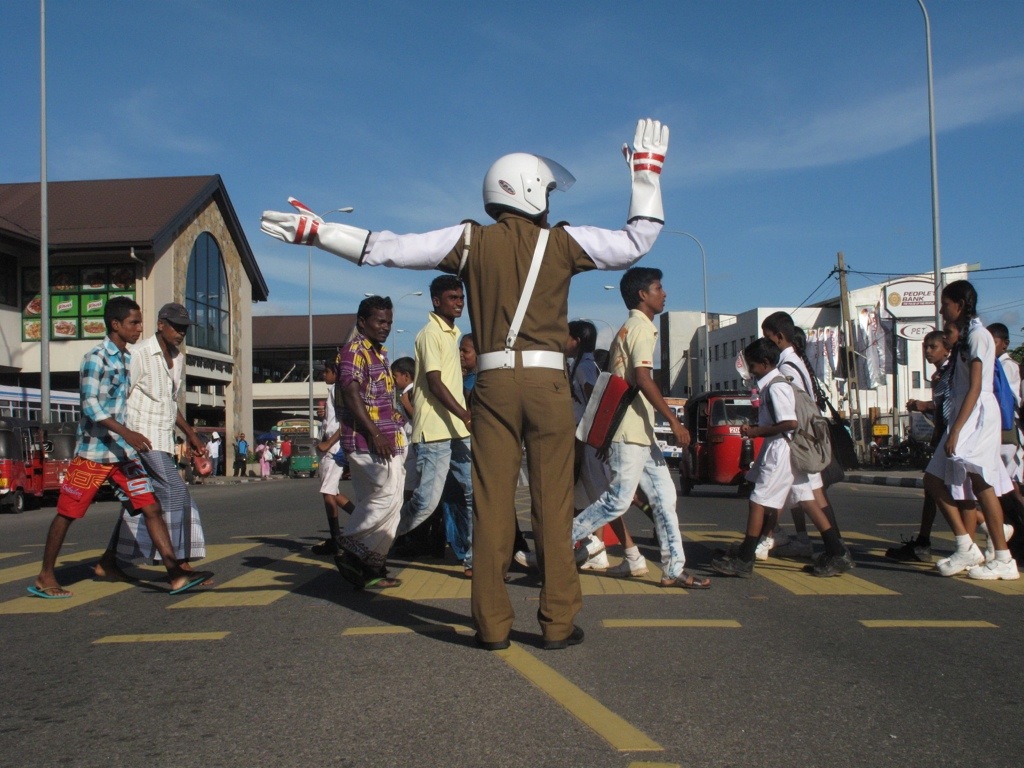
Sri Lanka photos

I’m now in Goa in India but I wanted to share some photos I took in Sri Lanka when I was there a few weeks ago.

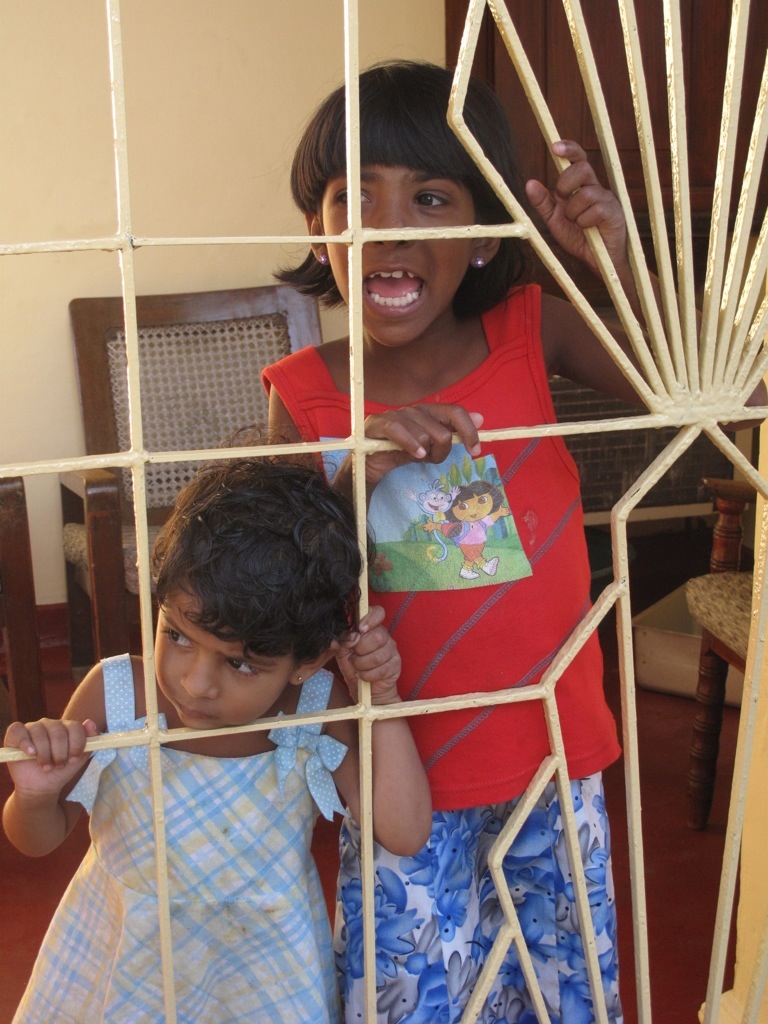
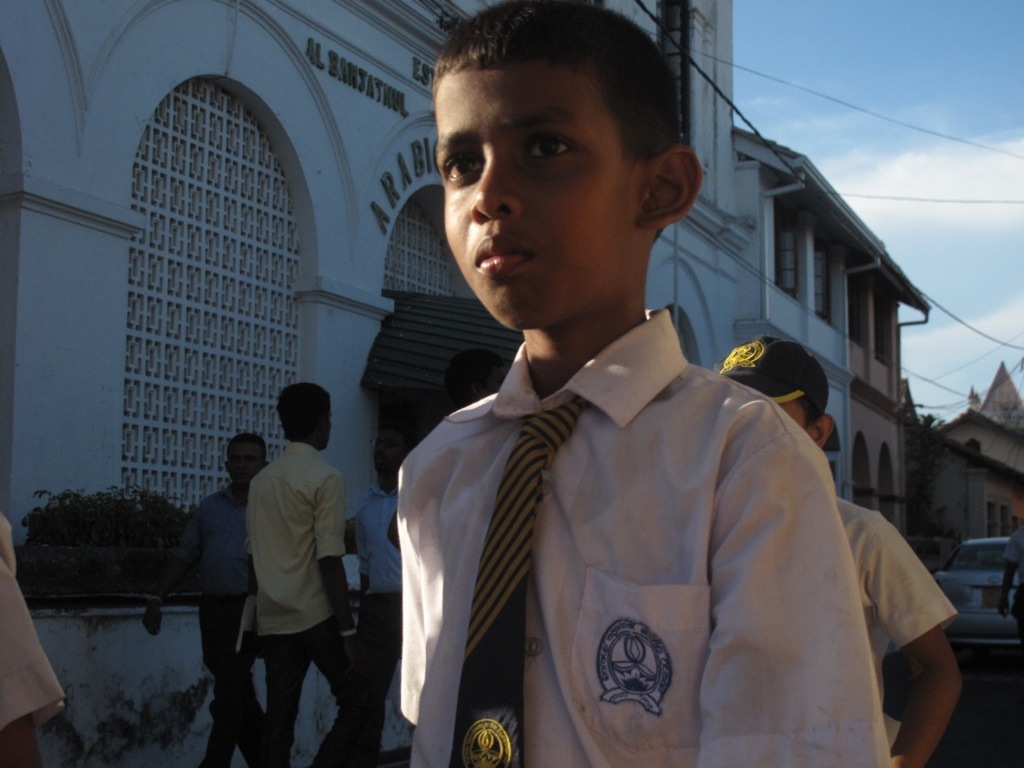
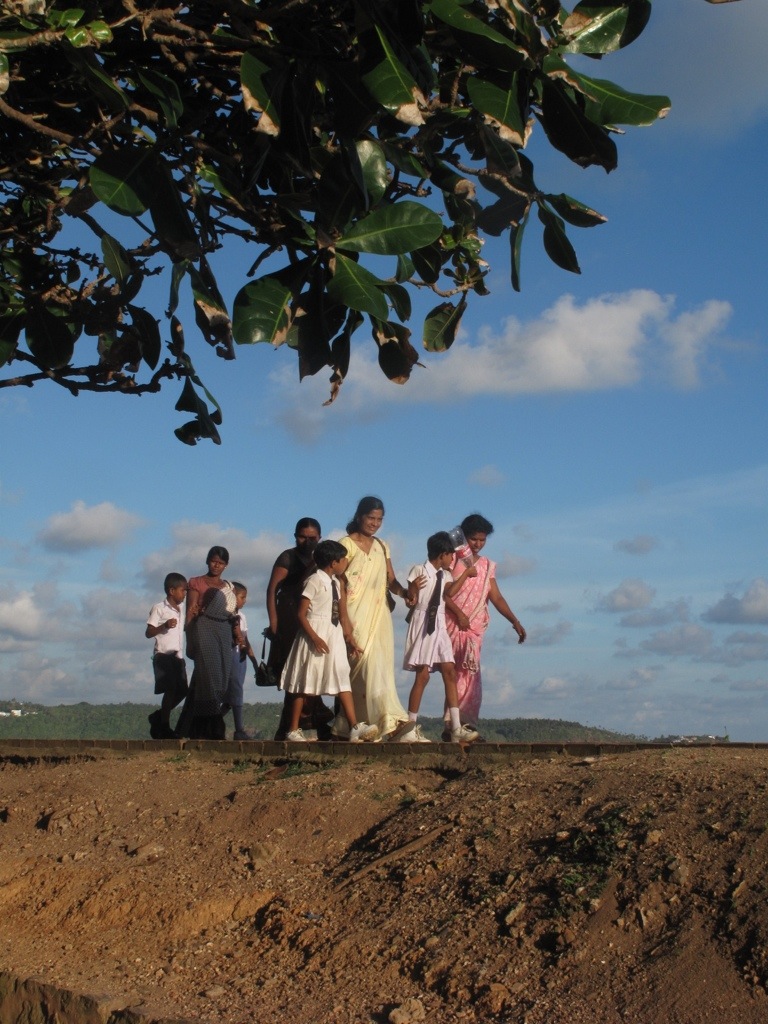
I was staying with my friends Sherylee and Brett and he’s really into photography. He showed me his favourite spots to take photos in Galle and here are the results.

Enjoy.

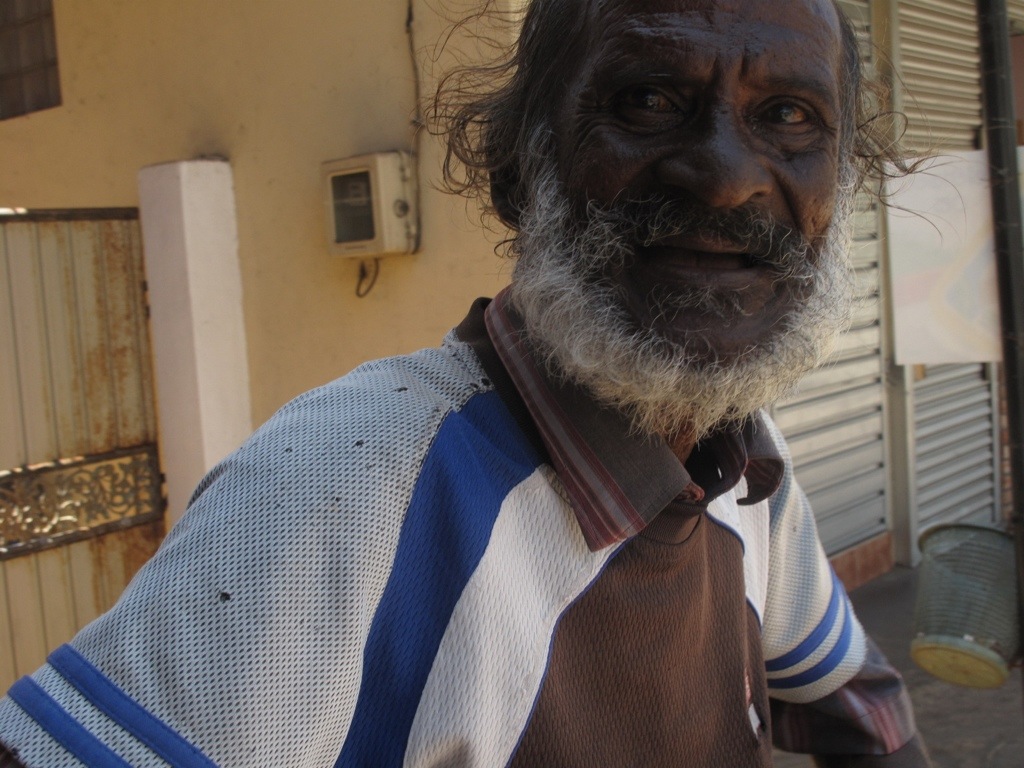
20121023-201024.jpgOne of the characters of Hikkaduwa

20121023-201130.jpgBakerbike

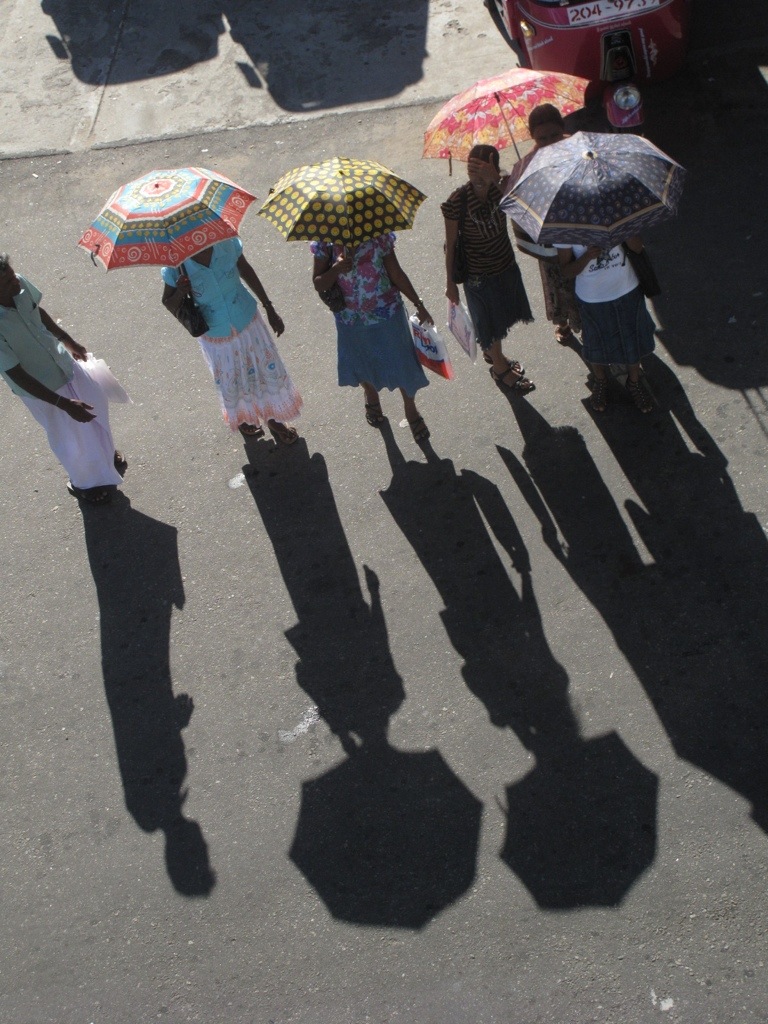
20121023-201249.jpgSunshades

20121023-201359.jpgHuman traffic light

20121023-201455.jpgBehind bars

20121023-201712.jpgSchoolboy

20121023-201925.jpgFamily group walking in thirds

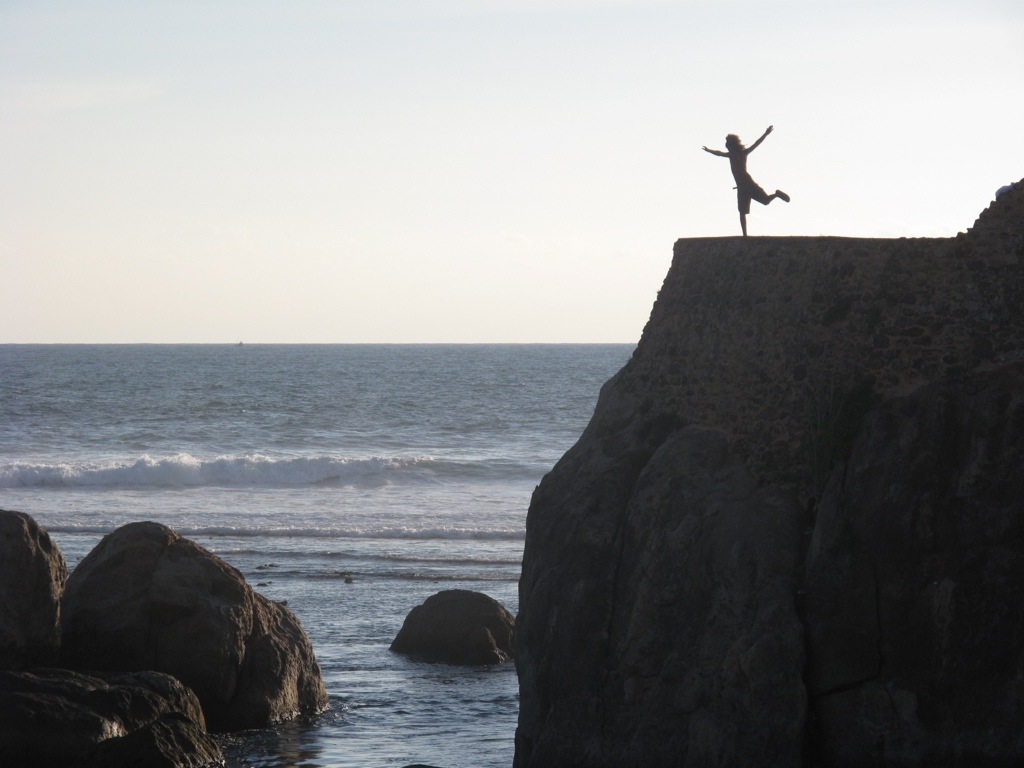
20121023-202024.jpgJumper

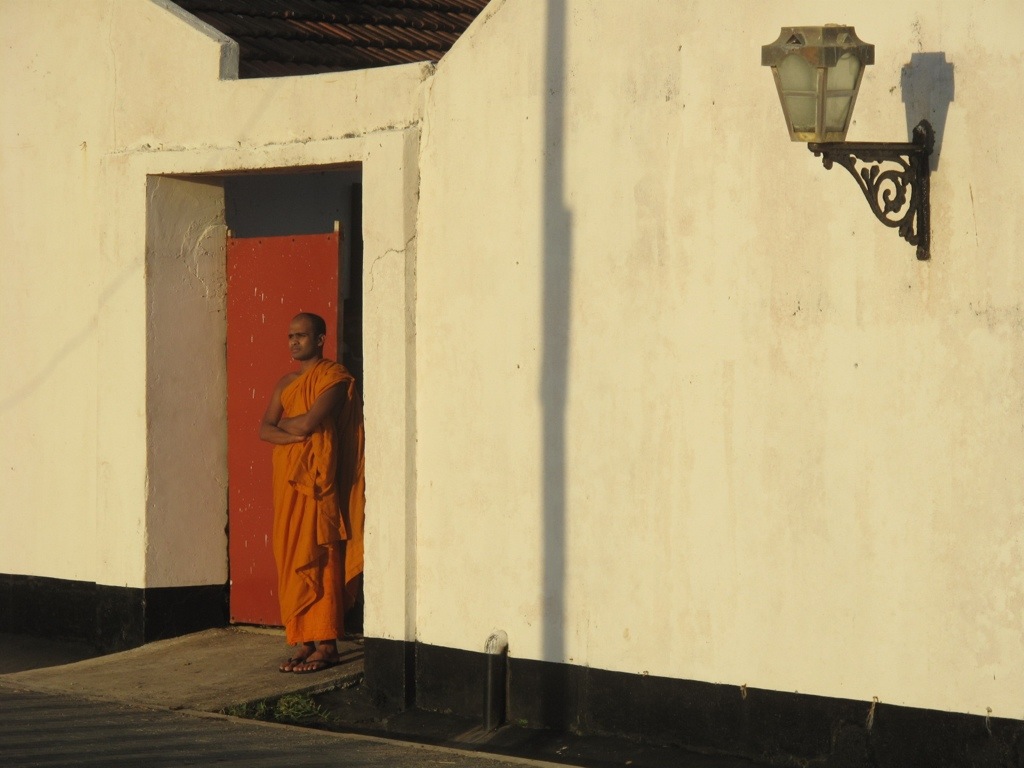
20121023-202114.jpgMonk

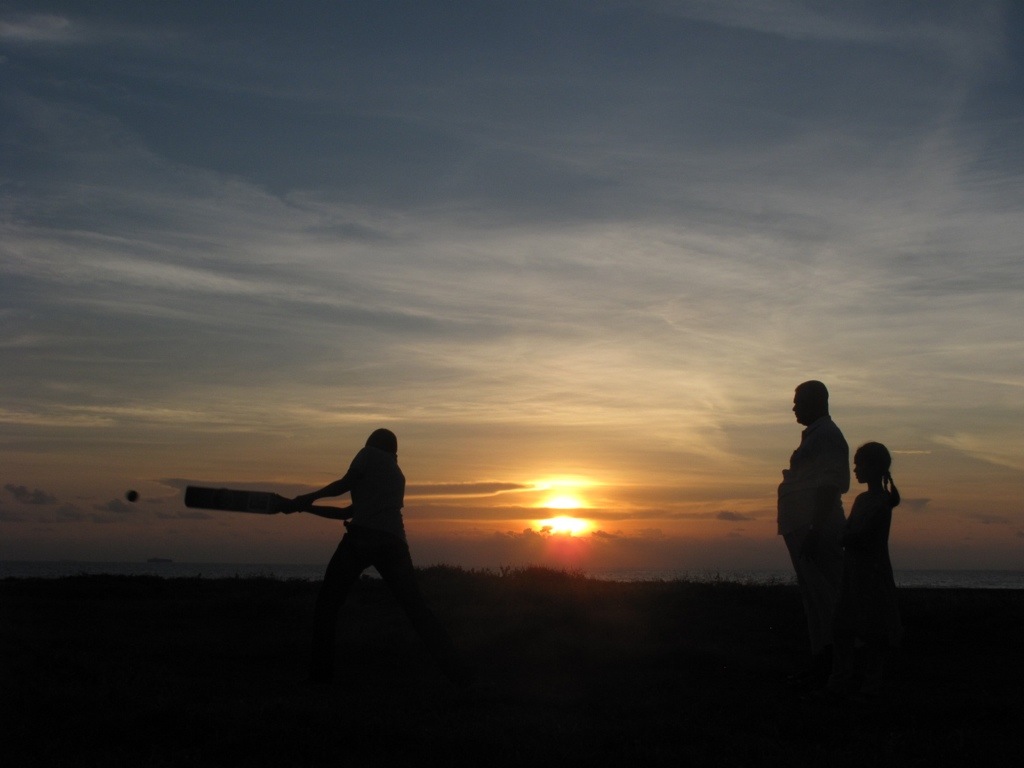
20121023-202212.jpgProud cricketing father

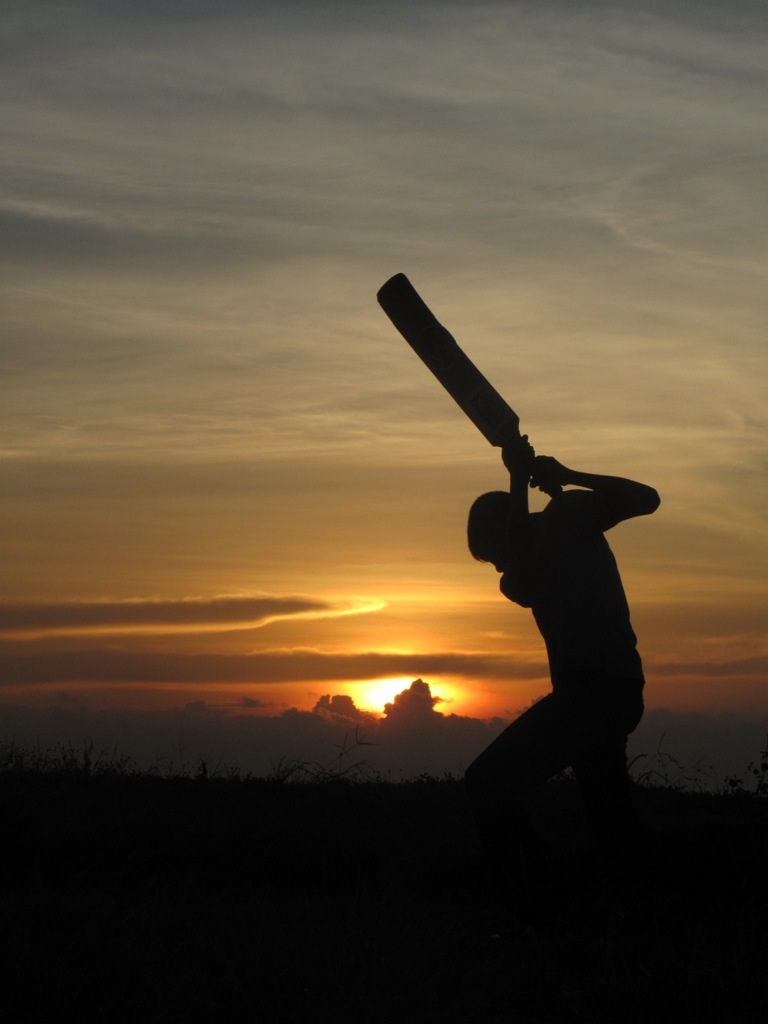
20121023-202313.jpgCricket mad

20121023-202414.jpgSunset chat

20121023-202541.jpgTree and chat

If you’d like to see more, have a look at my Flickr page.

Mr Iyengar: In the presence of a living legend

A funny conversation in a shopping centre
Yesterday early evening I was in a shopping centre in the suburbs of Pune making the most of the free wifi. I sat on a comfy sofa having a chai listening to Rhianna sing about umbrellas again. A young Indian guy asked me if the seat opposite was free. He couldn’t have been more than 20 and soon introduced himself as Dave. This is the conversation we had:

Dave: Where are you from?
Me: London England (a well rehearsed response)
Dave: I have a friend studying at Kingston. You know it?
Me: Yes. [I keep head down, tapping on my iPad trying to stop yet another Indian guy talking to me]

A few minutes later…

Dave: Why are you sitting here in this shopping centre?
Me: There’s a yoga place around the corner that I wanted to visit – the Iyengar Institute.
Dave: Oh I think my mum used to go there.
Me: Your mum went there? She studied with Iyengar? Wow, that’s amazing.
Dave: Is it?
Me: Yeah. You have to have been studying Iyengar yoga for eight years just to get in there. BKS Iyengar, the man behind Iyengar yoga, he started it there. Just a five minute walk from here. I went there this afternoon and sat in on a class he was teaching. People from all over the world come to study with him… and your mum went there!
Dave: Oh ok. She has been doing yoga for years. So what clubs do you go to in London?
Me: I don’t really go clubbing much.
Dave: What?! You live in London and you don’t go clubbing? There’s some of the best clubs in the world there.

[I smiled and then carried on typing on my iPad.]

A few minutes later he tried again…

Dave: Where are you staying in Pune?
Me: Koregaon Park.
Dave: You’ve come all the way here from KP? That’s so far!
Me: It isn’t really. People travel a lot further to study with Iyengar.
Dave: Have you been to any parties or clubs in KP? All the best ones are over there.
Me: The only dancing I’ve been doing is in a maroon robe, in a place where people follow Ming the Merciless.*

* I would have loved to have said this out loud but the poor boy already thought I was a nutter. See my previous post if this doesn’t make any sense to you.

Isn’t it funny how people can be motivated by such different things. He’d visit my country to go clubbing, I’d visit his to do down-facing dog.

I witness Mr Iyengar in action
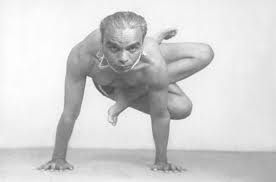
Let me tell you about my experience that afternoon with Mr BKS Iyengar or ‘Guruji’ to his students. For those yoga virgins out there, BKS Iyengar is one of the great grandaddies of yoga. He’s 93 and his impact on yoga cannot be underestimated. A lot of yoga taught throughout the world is influenced by Iyengar – with its focus on alignment and the use of props such as blocks, bolsters and straps – and Iyengar classes are very popular.

He set up the Ramamani Iyengar Memorial Yoga Institute in Pune in 1975 and you must have been studying Iyengar yoga for eight years to be considered for a place.

I turned up and was greeted by a kind-faced middle-aged lady. She started telling me how I couldn’t take any classes but I stepped in to say that I was in Pune and I just wanted to look around if possible. “Of course! You have done a very good thing,” she beamed at me. “Let me just finish my tea and I will give you a tour.”

I sat gawping at trophies and awards in cabinets. The walls were full of photos of Guruji, certificates, newspaper and magazine articles and photos of groups of students in baggy t-shirts and small shorts that had elastic around the thighs.

“Ok, we go”, she said, placing her teacup onto its saucer for the final time. I followed her through a corridor past yet more pictures. We went up a curved flight of stairs and she told me to sit on them. The staircase was open and, once I sat down, I had a full view of the semi-circular practice hall.

20121025-140832.jpg
The lady told me that a remedial class was taking place and that I could stay and watch for as long as I liked. There were probably 30 students in the space along with a staggering array of wooden blocks, stools, bolsters, cushions, metal bars and ropes hanging from the walls. Around the top of the semicircle were row upon row of black and white photos of a young Iyengar in asanas.

20121025-140921.jpg
People busied themselves putting others into postures and there, at the front perched on the edge of a platform was the great man himself. The lady pointed out his daughter – a middle-aged lady who hobbled around in an orange sari, and his granddaughter – a well built girl in high-waisted lime green shorts, t-shirt, and a long black plait down her back. Both she and her mother were kept busy taking instructions from Guruji, putting a man with bandaged legs into various asanas.

I couldn’t take my eyes off him. He was smaller than I imagined and did not look all of his 93 years. White hair trailed down to his shoulders and his eyebrows looked like clumps of cotton wool. He wore a white lungi and a white grandad shirt.

20121025-141023.jpg
He coughed often and looked frail but you would never mess with him. It was lovely to see the bandaged man touch his feet as a sign of respect. Guruji batted him away.

I watched the class for about an hour. I have never seen so many props in an asana hall. The man was put into savasana with three rows of three bolsters placed down his bandaged legs plus weights – at Guruji’s strict instructions. Throughout the hall students were in different poses, working in twos. They were hanging upside down in ropes on the walls, lying on their backs with legs through chairs, dangling in various supported backbends… you name it, they were doing it.

It was great to see people doing some of the things that Michel did with us on our teacher training. He has studied at the Institute with Mr Iyengar.

Guruji then looked at the clock and got up to leave. His granddaughter was instantly at his side and led him out of the room. People were told they had time for one more asana. Soon after, I left and found myself chatting to Dave in the shopping centre.

I felt so blessed to have been in the same room as Guruji. Even at his age, he was so in control, knowing exactly how he wanted the props set up and the energy in the room was buzzing. It was such a special experience and one I’ll remember for the rest of my life.

And I’m sure he looked at me on at least one occasion…

Osho’s ashram: One sneeze and you’re out

“When you’re doing Gibberish, make sure you really are talking gibberish. I was next to someone the other evening and they were making animal noises! I’m naming no names but they really should have known better.”

That’s a taster of the wisdom that was imparted to us 20 or so Osho newbies on our first morning. By this point we’d paid our £12 registration fee which included a compulsory HIV test, bought our maroon and white ankle-length robes and paid a further £12 for a day pass. We’re talking thousands of Rupees here.

“Why Wener?!” I hear you ask. Because I first heard about the Osho International Meditation Resort on a visit to the Sivananda ashram in Kerala four years ago. Some people rave about the place whilst others such as Lucy Edge in her book ‘The Yoga School Dropout’ have been less enthusiastic. One friend of mine – who shall remain nameless – said that she isn’t brave enough to visit the place. I was intrigued and wanted to experience it for myself.

The man behind the myth
The Lonely Planet states that Osho (1931-90) was one of India’s most flamboyant and controversial exports to the West. Having spent years studying philosophy, his ‘methods’ are a way to break down our habits and social conditioning. He enraged many by making outrageous comments about pretty much every world religion. In 1981 he set up an ashram in Oregon, US, but got deported and sought a home for himself and his followers overseas. He found his base in Pune after being denied entry or being deported from 21 countries. He amassed a collection of Rolls Royces and one sits in his former home. You take your shoes off next to it as you enter his house to meditate.

Why ‘sex guru’?
According to Osho, sex is a way to enlightenment. Unsurprisingly, this theory has made him very popular in the West. Apparently in the olden days of the place (1990’s), everyone would be sweaty after the morning meditation, jump in the mixed showers and you’d be having sex with someone before breakfast. Times have changed and the place is very different now. It felt all very organised and sedate. Although I think it’s still there if you want it. I didn’t see much of that going on… or perhaps it was because I was so focused in my meditations. Ha! Fat chance!

Breaking the rules
The Welcome Morning allows you to become familiar with the place, its activities and ensures you don’t make any major faux pas. Within five minutes of arriving, our bubbly Korean host Su Yee had us jumping about and forgetting ourselves. She’s lived there for eight years.

Despite the morning, I still slipped up in the canteen on day two. I put rice straight onto my plate instead of in a bowl. Outrage!! The serving staff were quick to reprimand me and an Indian man was onto me, gesticulating and speaking in Hindi. Svargo, an English guy who’s been visiting since 1988, fortunately came to my rescue (“Yeah, yeah, she gets it. She won’t do it again…”).

As for other rules, if you coughed, sneezed, burped, farted or made any other seemingly involuntary noise during a silent part of a meditation, you had to leave the room. The booklet says: “If the cough or sneeze happens too quickly, then at least leave immediately afterwards. Please don’t wait for someone to have to ask you to leave.” Oooer.

I heard one woman try so hard to stifle a coughing fit that she made twice as much noise as if she’d just coughed. She ran out of the room disgraced. She never returned.

Any noises were amplified by the black marble floor in the main Auditorium. It was so highly polished you could see people’s reflections. It was stunning and so peaceful. In fact, the whole place was beautiful.

20121023-182255.jpg
(The Auditorium inside and out)

20121023-181848.jpg
The resort was very Zen with small black pebbles, pools of water, white marble Buddhas sitting amongst carpets of green. Bamboo gracefully creaked in the wind and the buildings were black and shiny. Water fell down walls of slate and people swam in the dark pool (in maroon swimwear). The fact we all wore maroon added to the aesthetics of the place. If we’d been wearing our own clothes, it would have jarred with the surroundings and not been so peaceful.

I spent the first day walking around with my mouth hanging open.

The meditations

Evening Meeting of the White Robe Brotherhood
The highlight of each day was the evening meeting in the Auditorium. People changed out of their maroon robes and into crisp white ones.

The meeting had various stages:

1. Celebrate through dance: I’d say there were about 500 people in the evening meetings and this is the low season. Standing in the Auditorium, the live band would start up. The music slowly gained momentum and became hypnotic. People really went for it. Guys were Sufi whirling, spinning at speed with their arms outstretched. I’ve never seen men dancing so intently. People were all over the place, arms flailing and totally lost in the music. It was really good fun. I danced so hard that I couldn’t see straight. At times the music stopped and everyone had to stick their arms up in the air and shout “Osho!”.

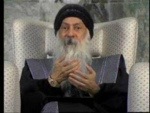
2. Osho speaks: On a projector appeared the man himself. There aren’t pictures of him around the place so this was the first time I saw him. Behold a man with a woolly hat, a beard down to his chest and an outfit that strangely reminded me of Ming the Merciless. We’d been told by Su Yee that we might not understand much of what he says. This was correct. He stretched words out so much and it was all meant to be a method to keep you alert. Examples: “consussneeeeece” “relijeeeen” and “lotussss”.

20121023-182010.jpg
(If only Ming wore a woolly hat…)

20121023-182052.jpg
He’s fond of a joke. Some are funny, some aren’t. I liked this one:
A wife says to her husband: “You remind me of the sea.”
Husband: “Is that because I’m so magnificent, strong and wild?”
Wife: “No. It’s because you make me feel sick.”

I think he wove them into his discourses in order to keep you awake. One guy stopped snoring when we all started laughing.

3. Gibberish: In the booklet we were given, Osho says:

“Shouting, laughing, crying, making noise… making gestures. Simply allow whatever comes into your mind without bothering about its rationality, reasonability, meaning, significance. Do it totally with great enthusiasm… make it a reality… just go crazy. Don’t be partial, don’t be middle-class. Just be a first rate crazy man!” “If you don’t know Chinese, say it in Chinese!”

My English sensibilities kicked in and I felt a bit uncomfortable.

4. Sitting silently: I can do that.

5. Fall down ‘like a bag of rice’: Su Yee imparted a handy tip to allow us to fully submit to this stage. We had to move forward on our mat/rug during Gibberish so when the drumbeat came, we could collapse backwards safe in the knowledge that we weren’t going to knock ourselves out on the marble floor. Invaluable.

6. Celebration through dance: Thumping music. Then the music finishes and everyone gets up, walks out, puts shoes on and leaves silently.

Other meditations

Every afternoon is the OSHO Kundalini Meditation. It starts with shaking. “Be loose and let your whole body shake. Become the shaking,” says Osho. On day two, the shaking definitely became me. It’s like you’re doing an impression of someone having an epileptic fit. You then do dancing, sitting and a nice 15 minutes of savasana.

The Dynamic morning meditation had so many stages. The most memorable was standing with your arms held straight up, you jumped up and down with flat feet (killer on the calf muscles on a marble floor) whilst shouting “Hoo! Hoo! Hoo!” We did a test run as part of the Welcome Morning and people had to attempt it standing in front of everyone whilst Su Yee corrected the shape of our mouths when ‘hoo-ing’. It’s a precise art form for sure. She’s had eight years to perfect it.

I liked the OSHO vipassana meditation because it felt familiar. Osho would probably say that it isn’t the best one for me because of this. We sat in silence for 45 minutes observing flow of breath and then 15 minutes of walking meditation. When sitting, I loved how a woman came around and donked you on the head with ‘the vipassana stick’ to keep you alert.

Why?!!
These activities were all designed by Osho to break down our conditioning. We need to remain fully alert. We mustn’t live in our body or mind, but instead, just witness our thoughts. If we feel uncomfortable, it’s probably because it fights against our habits and deep rooted behaviours.

However…
The opulence of the place didn’t sit well with me. Why did Osho need Rolls Royces? Why was it so expensive? Who needs Osho-branded sugar sachets? Surely it’s just a playground for the rich? There was a 50:50 split between Indians and Westerners but if it was more affordable, I would have thought that more people could benefit. It was an oasis totally at odds with the mad India going on outside.

I felt guilty walking past the Indian women sitting on the street trying to sell me pashminas and t-shirts costing a fraction of the daily entrance fee. They saw me walking out of a place where I’d spent a small fortune to jump about like a loon. How could I say that I didn’t need their things?

I guess I felt I could connect with the experience by the end of the second day. I’ve done expressive dance before and the more you do it, the easier it gets. Jumping up and down with flat feet shouting ‘hoo’ is very unfamiliar and therefore scary. But as the old adage goes, you shouldn’t knock something until you’ve tried it. I tried it for two days and it was alright. The people were friendly and, if it was cheaper, I may have stayed longer.

But I won’t miss the hoo-ing. Or the Gibberish.

Mumbai: Ummmm… bye!

I’m leaving Mumbai later today to go to Pune but let me tell you about what I’ve been getting up to.

Rich pickings

Walking along Colaba Causeway to eat at Leopold’s Cafe (for anyone who’s read Shantaram…) and a beggar lady in a beautiful sari starts saying to me, “Madam, I need rice for my children to eat”. She walks just a little in front of me. I try to shake her off by stopping but she sees me and soon catches on. It’s a narrow street and there’s lots of people. At one point I stop abruptly and a boy walks into the back of me. I hug my bag to my front. I stop again and he walks into me again and the lady catches his eye.

He’s trying to pickpocket me! They’re setting me up! The buggers! They fail.

“Madam, a slight problem in your room”

I come back to my vastly improved hotel and the guy on reception stops me saying the above. He opens my room door and explains that, while I was out, part of the ceiling collapsed directly over my bed. There’s a huge hole covered from above by a sheet of MDF. “We change the sheets and clean. Everything ok?” Hilarious.

20121020-110531.jpg

Slumdog

I go on a tour of Dharavi, Mumbai and Asia’s largest slum. It’s where some of the Danny Boyle film was shot and it’s amazing.

Five of us and a guide spent the afternoon walking through tiny dark alleyways with kids squeezing past us, peering into workshops only to see a room full of guys in string vests smiling back at us, and standing on rooftops surrounded by mountains of plastic split by colour. The slum is home to one million people and covers only 174 hectares. It originally was swampland but people have been living there since the 1840’s.

What impressed me most was how organised it was. There are distinct areas for different industries including clay pottery, plastic recycling, metal can recycling, leather and handbag-making, and heavy industry with sparks flying. The residential area is separate with the divide marked by a rather smelly river. Unemployment and crime is low although diseases such as cholera and malaria keep the numerous health centres busy.

We watched bakers producing goods to be eaten as far away as Afganistan and men behind old singer sewing machines making leather jackets to be sold by the brand ‘Lee’. The recycled plastic is used in electronics by companies such as Samsung. The guide quoted these companies to demonstrate the quality of the work carried out in Dharavi. Their company profits must be astronomical.

We learnt that tax evasion is the biggest crime and that each toilet is used by over 1000 people. The average income is around £1.50 a day and, due to demand, it costs around £50 a month to rent a tiny room. There’s often four to six people per room. In this space they cook, eat, wash, sleep, watch TV and often have the internet. And I thought my studio flat was small.

The tour was carried out sensitively and you didn’t feel that you were intruding – or that you weren’t welcome. No photos were allowed and 80% of the tour cost goes towards local community projects. I’d highly recommend it. Visit www.realitytoursandtravel.com for more information.

And finally…

It’s Navratri here in India. That means nine days of festivities in streets covered by canopies of fairy lights. It celebrates the Hindu goddess Durga and ‘Navratri’ literally means ‘nine nights’ in Sanskrit. Each night, different forms of the divine mother or ‘Shakti’ or ‘Devi’ are worshipped. It’s a big deal in Mumbai.

People dance every night to live bands and I even heard Ganga Arati, taking me back to my Sivananda teacher training on the banks of the Ganges. We had to chant it twice a day. There’s a wonderful atmosphere.

See you in Pune, the land of Iyengar yoga and the sex guru Osho!

Welcome to India

I have just spent my first night in Mumbai. This is my fourth time visiting ‘the motherland’ but I think arriving in India is always a bit of a shock.

My flight landed 30 minutes ahead of schedule at just after 11pm but any advantage dissipated when I saw the queues after the luggage collection belts. Every piece of luggage had to go through a scanner and flights from London and Dubai had also just landed.

Cue well-dressed London types obviously there for work muttering and stomping plus mustachioed Indians returning from stints in Dubai standing way too close together whilst lugging huge well-labelled bundles wrapped in plastic sacking and metres of rope.

You’ve got to love an Indian process. Indians certainly do.

I told my prepaided taxi man that I was going to the Salvation Army guesthouse in Colaba and typically he said he didn’t know it. Even when I said the road name, there was a distinct lack of comprehension. So off we set for Colaba and I hoped for the best.

The thing I will remember about the journey were the hundreds and hundreds of people I saw sleeping on the streets – at the side of the three-lane motorway, on traffic islands, on pavements and shop fronts. They were even asleep outside entrances to mammoth glass and steel office buildings. Call centres?

There were entwined couples snoozing, groups of ten or 20 people lined up along pavements, and children huddled against their parents. Some slept on newspaper, others on cardboard or matting and some had pillows of clothes.

It was the sheer number of people on the streets that overwhelmed me. I remember seeing people sleeping on a grass verge when my Dad and I were getting an early morning train to Shimla a few years ago but it didn’t compare to this.

My taxi was typically honking his horn every five seconds and lorries were steaming along but they all looked dead to the world. Their clothes were dirty and very shabby and they needed a good meal.

I directed my taxi driver to the guesthouse (slightly ironic) and he dropped me off by big wooden doors. I knocked and a grumpy Indian bloke opened the doors: “We are full.” I explained that I’d emailed and reserved a room and I showed him an email on my iPad.

Turns out there were no double rooms left so he gave me the key for a family room and went back to bed: “You change room tomorrow morning.”

The place was like a nineteenth century asylum. It was 1am by this point and my footsteps echoed up the stone steps. The ceilings were high and the paint was peeling off the walls.

I found the door to my room – tall double doors sealed with an ancient padlock. I turned the key, slid the bolt and the doors creaked open. I had to get my torch out as I was scared to go into the dark abyss.

I was greeted by five metal rusty bed frames, peeling paint, crumbling plaster, old mattresses, a sofa that you’d only see as fly-tipping at home, and biro scrawled over the walls. The bathroom light didn’t work which was probably a blessing as wires stuck out of the stained yellow walls. It was a hovel. A pile of crumpled sheets sat on a mattress. I had no idea if they were clean or dirty. And they had burn holes in them.

I mean, I’d read online that it was hard to find budget accommodation in Mumbai but I was paying £12 for this privilege. Let me put that into perspective – the plush dorm at The Sanctuary on Koh Phang An cost half the price.

I started thinking about bed bugs and had the brainwave to put my yoga mat between the mattress and the sheet. Check-out was at 9am but I think Usain Bolt would have had trouble keeping up with me this morning.*

I found a place nearby and I now have views of the sea, the Gateway of India AND it’s cheaper than the madhouse.

I’m now sitting in an air-conditioned cafe earwigging young Indian women with pearl earrings having business meetings over coffee.

Welcome to India indeed.

* Had to Google who won the 100m at the Olympics. So out of the loop…

An unfortunate incident on a Sri Lankan train

This is my fourth day in Sri Lanka. Up until today I’ve been staying with my Sivananda teacher training buddy, Sherylee and her husband, Brett on the south west coast in Hikkaduwa.

Sri Lanka feels like a good stepping stone between Thailand and India. From what I’ve seen so far, it feels like a sleepier, more laid back version of India. You’ve got the mad drivers, signs that you can’t understand, dust, and the Indian shaky head, but it’s far less Western than Thailand. I haven’t heard Adele’s ‘rolling in the deep’ once.

Sherylee and Brett have lived in Hikkaduwa for the past six years and in that time, they’ve adopted (or been adopted by) four beach dogs and two weeks ago they moved into an impressive house that they’ve designed themselves. Kevin McCloud would be proud. Once they get some furniture it’ll be even more amazing. When Sherylee and I were last together on our teacher training in 2010, we ate sitting on the floor for a month so it was just like the old days.

This morning I jumped on the back of their motorbike and Brett dropped me off at Hikkaduwa train station. I love foreign train journeys and the plan was to take a two-hour train to Colombo and then catch another train for three and a half hours inland to Kandy in hill country.

I arrived here a couple of hours ago and I want to tell you about the journey.

The trip from Hikkaduwa to Colombo was fine. It was a modern train and I got a window seat. We clackety-clacked along the palm-fringed coast and I ate the bananas and apples Sherylee thoughtfully gave me for breakfast.

I had 40 minutes at Colombo and my greatest achievement during that time was managing to use a squat toilet with my big rucksack on my back and my small rucksack on my front. From assessing the floor of the cubicle, there was no way anything was going near it apart from the soles of my flip flops. I also managed to keep the wooden door closed by hooking my index finger through a hole in it. Success.

The train to Kandy was full but fortunately I managed to get a window seat again. Around me were families with babies and young couples. As with Indian trains, people hung out of the doors along the sides of the train and sat on the door steps looking straight onto grassy verges, ramshackled wooden huts and lush paddy fields.

As we clattered along, the driver honked the horn alerting people walking on the railway line that the train was coming. I could feel the searing sun on my forearm and I bought drinks off the men walking through selling their wares. When passengers bought greasy fried food, the sellers would scoop it out of their baskets and put the food in little bags made from recycled notepaper. I could see schoolchildren’s algebra homework becoming big oily blobs as passengers munched away.

A group of teenage boys with their hockey kits boarded my carriage and occupied the entrances at either end. They called to each other and I was in between, looking out of the window. As we snaked up and away from the humid plains, we passed through dark stone tunnels and the boys shrieked and whistled, laughing at the echoes.

20121020-104941.jpg

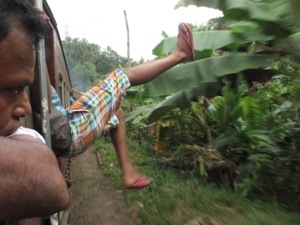
They became braver and braver, leaning forward out of the doorways and waving at their mates further down the train. As we pulled out of stations, they’d wait until the very last moment to jump back on the train. I started thinking that this was how accidents happened.

One boy in particular was very bold. He’d hold onto the rails on either side of the doorway and bring his leg out to 90 degrees touching the tall grass at the side of the tracks. At times, he’d bring his leg back only a fraction of a second before a train signal post or tunnel. He laughed and joked and I gave him stern looks. I couldn’t watch.

20121019-210515.jpg

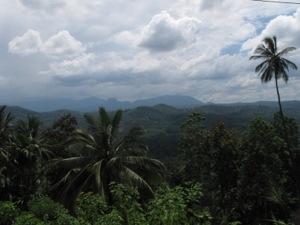
The views were breathtaking. It got cooler and the rolling hills went on for miles. At every station, it would say the height above sea level: 200m… 360m… 440m… up and up.

20121020-105158.jpg

About 15 minutes outside of Kandy, the boy was still larking about, calling to passers by on the tracks. And then the train horn sounded. And kept going. We came to an abrupt screeching halt.

The boy suddenly appeared inside the carriage next to our seats. He was crying and burying his face in his hands. His friends gathered around him.

I leant out of the window and people were frantically running back along the tracks. I saw a mound of brightly coloured fabric next to the wheels, one carriage back from mine. I felt icily cold as I watched what looked like a bundle of clothes be scooped up and placed on the path alongside the tracks. It was a woman wrapped in a sari.

Passengers gathered around and people shouted in Sinhalese. Locals ran towards the tracks with panic etched on their faces. I asked the man sitting opposite if she was dead. Apparently she had head injuries and her foot was badly hurt. The train lurched forward and before we knew it, we arrived into a wet Kandy station.

As the man opposite me rightly said, she’s likely to feel the effects of today for a very long time. It made me think how fragile our lives are. Some of us think we’re invincible. I don’t know if the boy played a part in the accident but he had a very good view. He was rather quiet after that.

It’s raining and I’m at my guesthouse thinking about the lady and how yogis believe that you’re born with a set number of breaths. When you’ve taken these breaths, that’s it. Your number’s up. She must have a few more to go.

But you’ve certainly got to make the most of every moment. And on that note, apparently there’s a lovely Ayurvedic treatment place not too far from here…